June 26, 2026
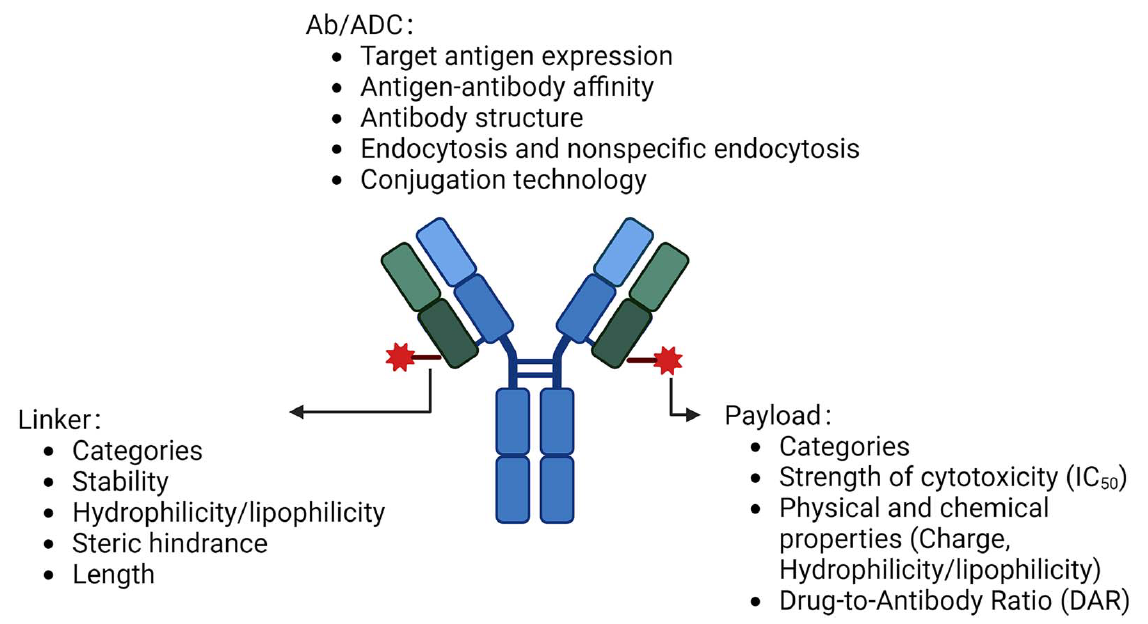
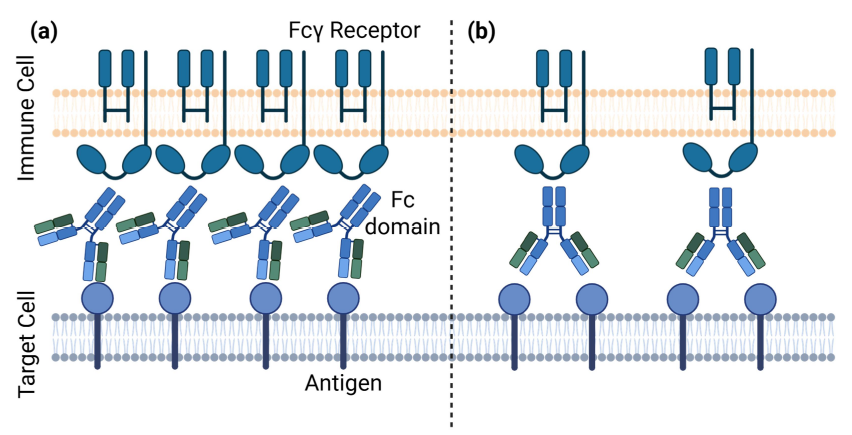
The Fc Review: Can better antibody engineering improve safety, not just efficacy? A recent review in Antibody Therapeutics examines how the molecular design of antibody-drug conjugates (ADCs) influences both nonclinical and clinical toxicities, highlighting that safety is determined by far more than the payload alone. Background: ADCs are often discussed in terms of target selection and payload potency, but their safety profile is shaped by the combined properties of the antibody, linker, payload, conjugation strategy, and target biology. This review examines data from marketed ADCs and explores how each component contributes to toxicity, providing a useful framework for designing safer next-generation therapeutics. The study highlights: ADC toxicity is influenced by the combined effects of target antigen expression, antibody structure, linker stability, payload properties, and conjugation technology rather than any single design feature. The Fc region can contribute to off-target toxicity through receptor-mediated uptake. The review discusses roles for Fcγ receptors, FcRn, and C-type lectin receptors in nonspecific internalization that may influence safety. Site-specific conjugation technologies can improve homogeneity, produce more consistent drug-to-antibody ratios (DAR), and enhance stability compared with earlier random conjugation approaches. Properties such as linker stability, payload hydrophobicity, charge, and DAR all influence biodistribution, payload release, and toxicity, underscoring the importance of considering these design variables together.