

At SeromYx, our research has advanced both vaccine and antibody therapeutic development. Our publications highlight innovative approaches such as high-dimensional immune profiling and Fc effector function assays. Explore our latest work to see the science behind our platform.
A More Complete Picture of Antibody Function: Lessons from Comprehensive Fc Profiling of Approved Anti-CD20 Antibodies
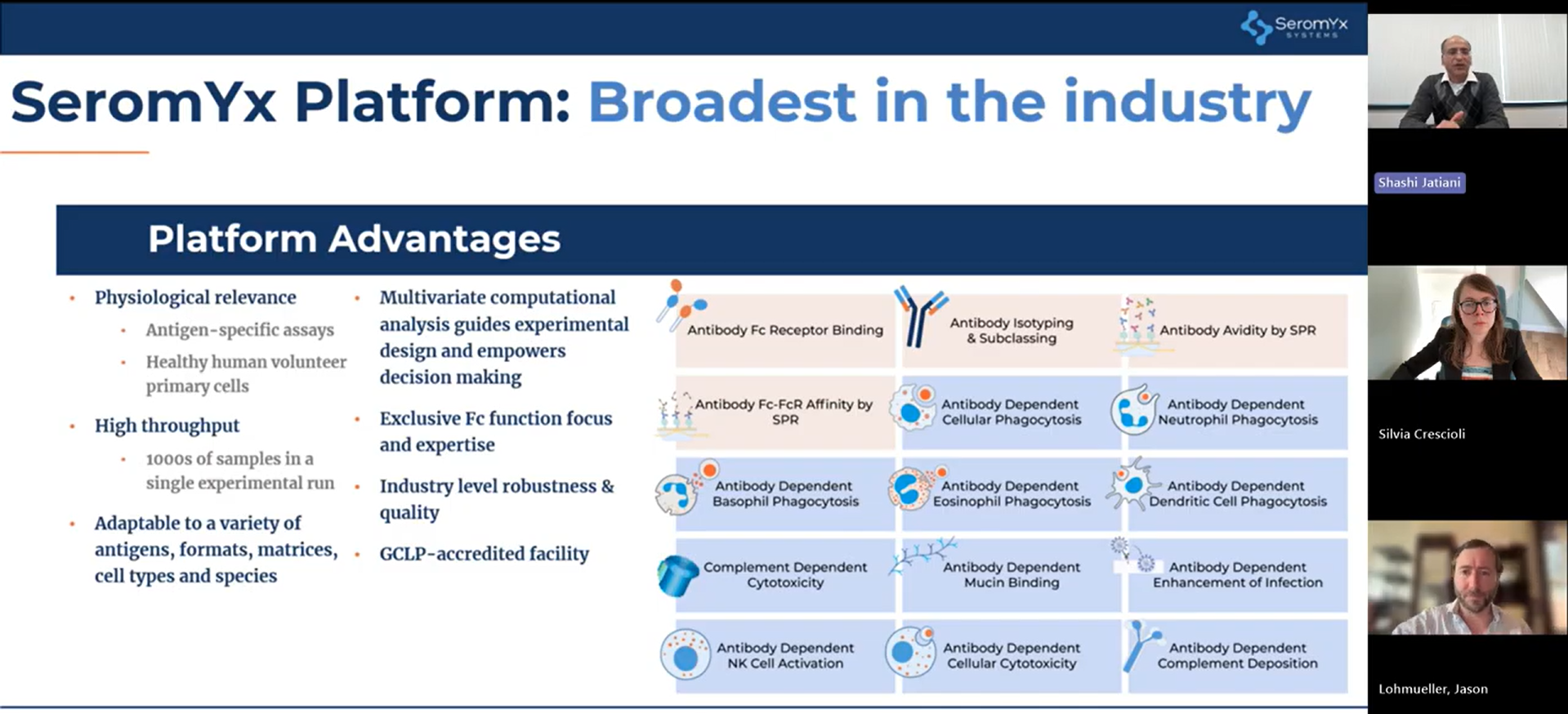
Precision Antibody Engineering for Solid Tumor Immunotherapy with SeromYx Systems
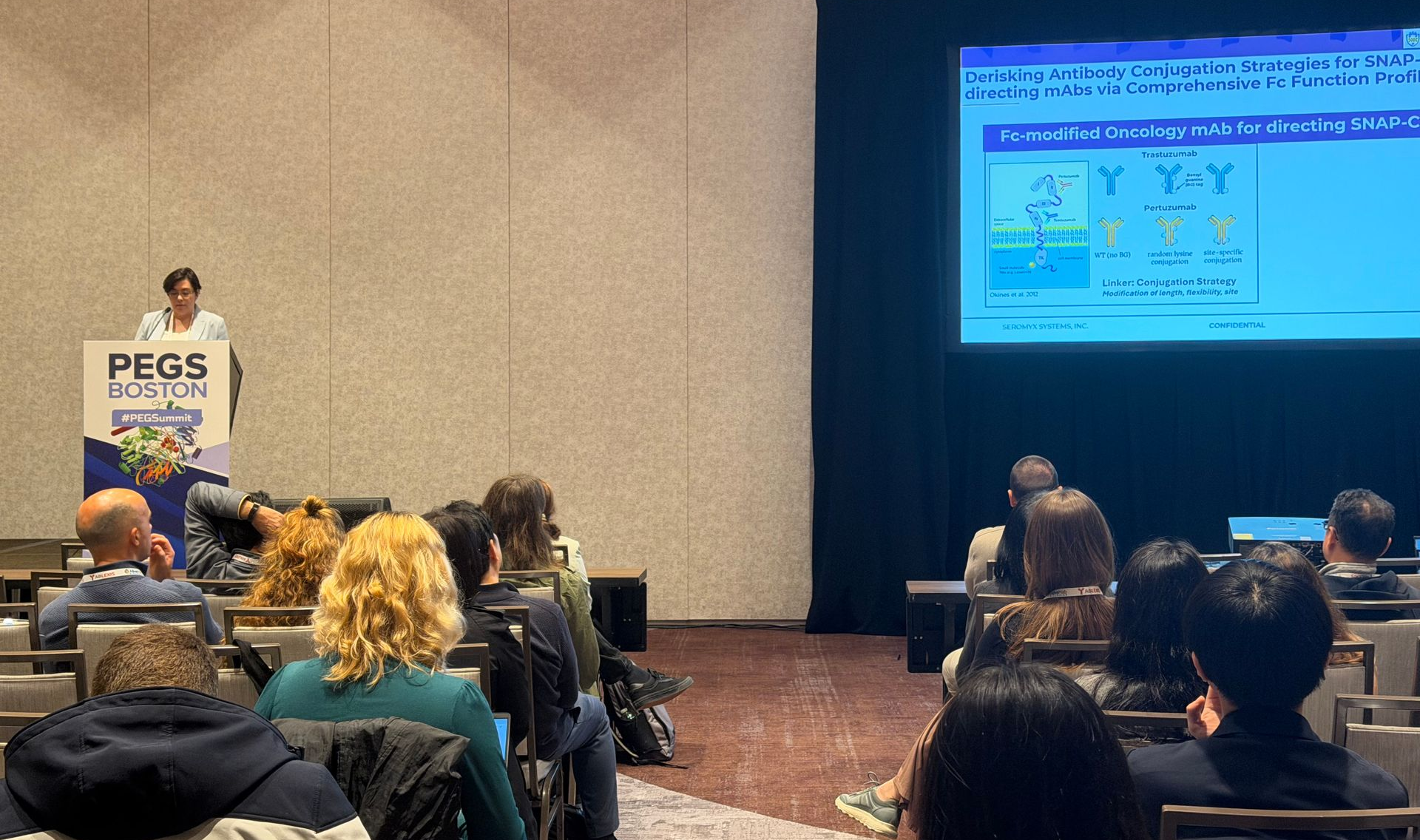
Optimizing Therapeutic Antibodies by Balancing the Safety and Efficacy of Their Fc-Mediated Effector Functions
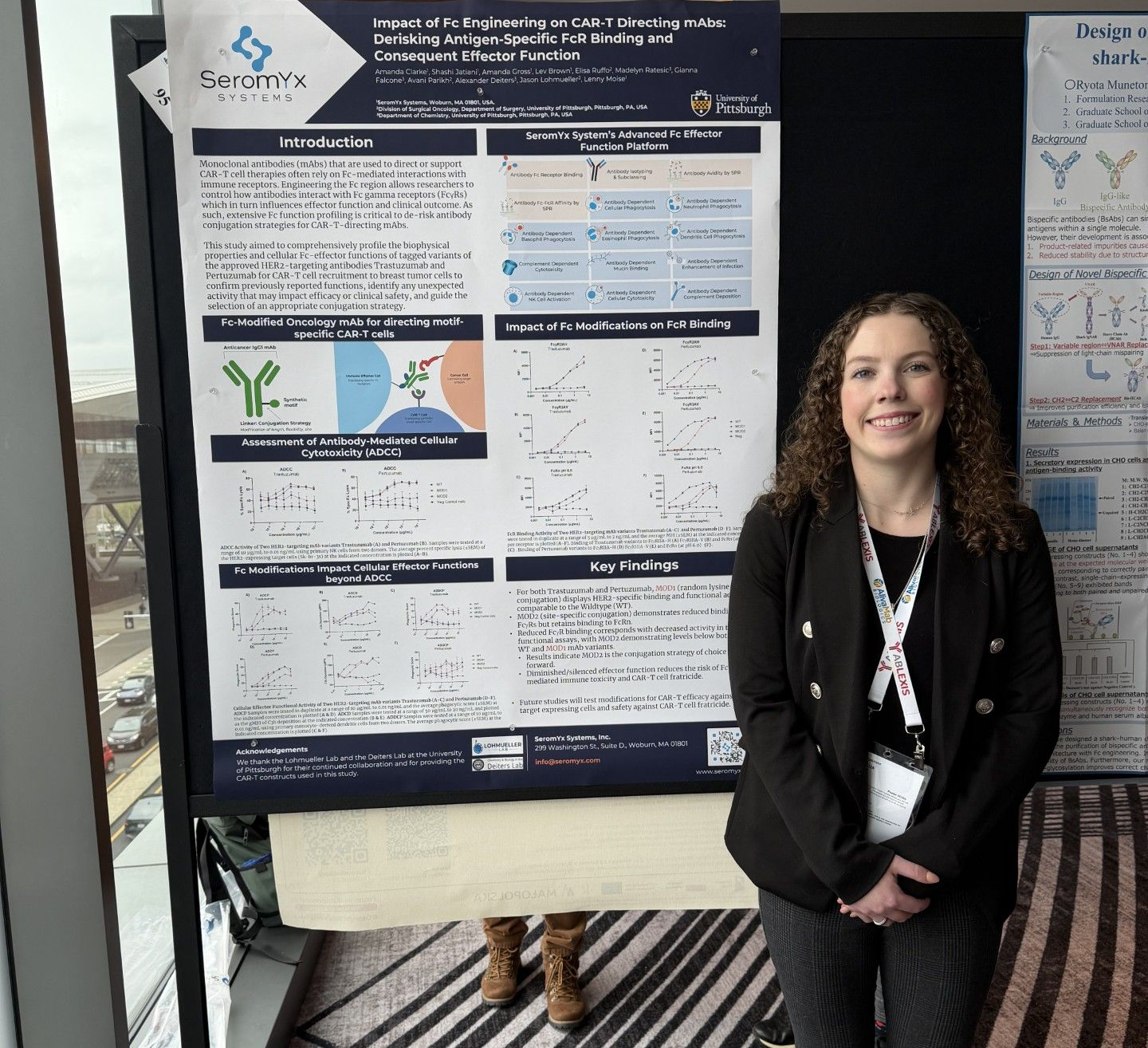
Impact of Fc Engineering on CAR-T Directing mAbs: Derisking Antigen-Specific FcR Binding and Consequent Effector Function
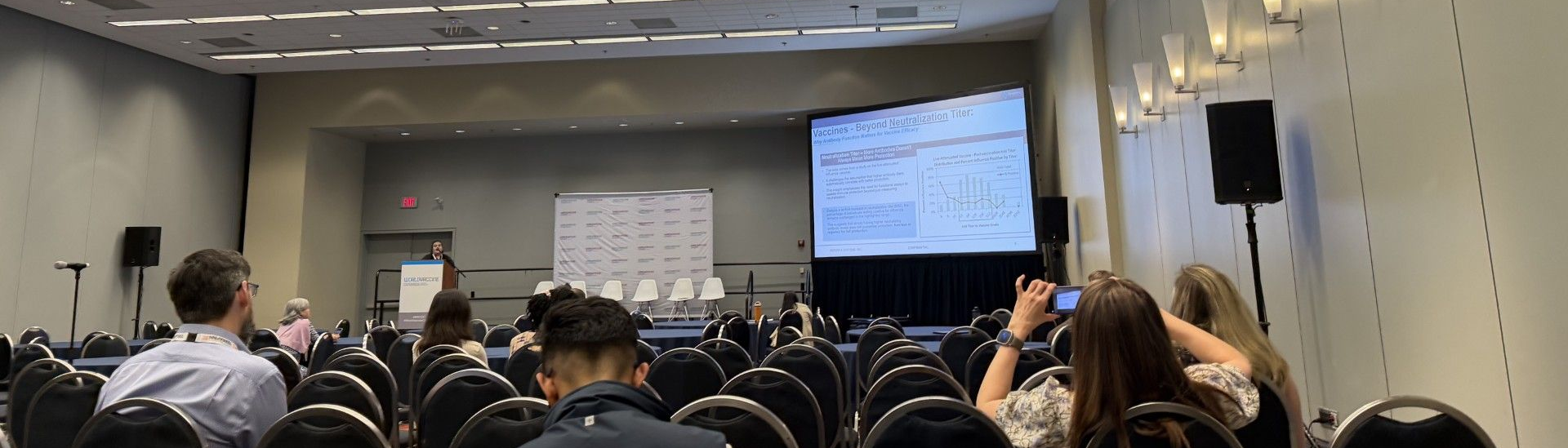
Moving Beyond Binding: Why Antibody Function Matters for Vaccine Efficacy
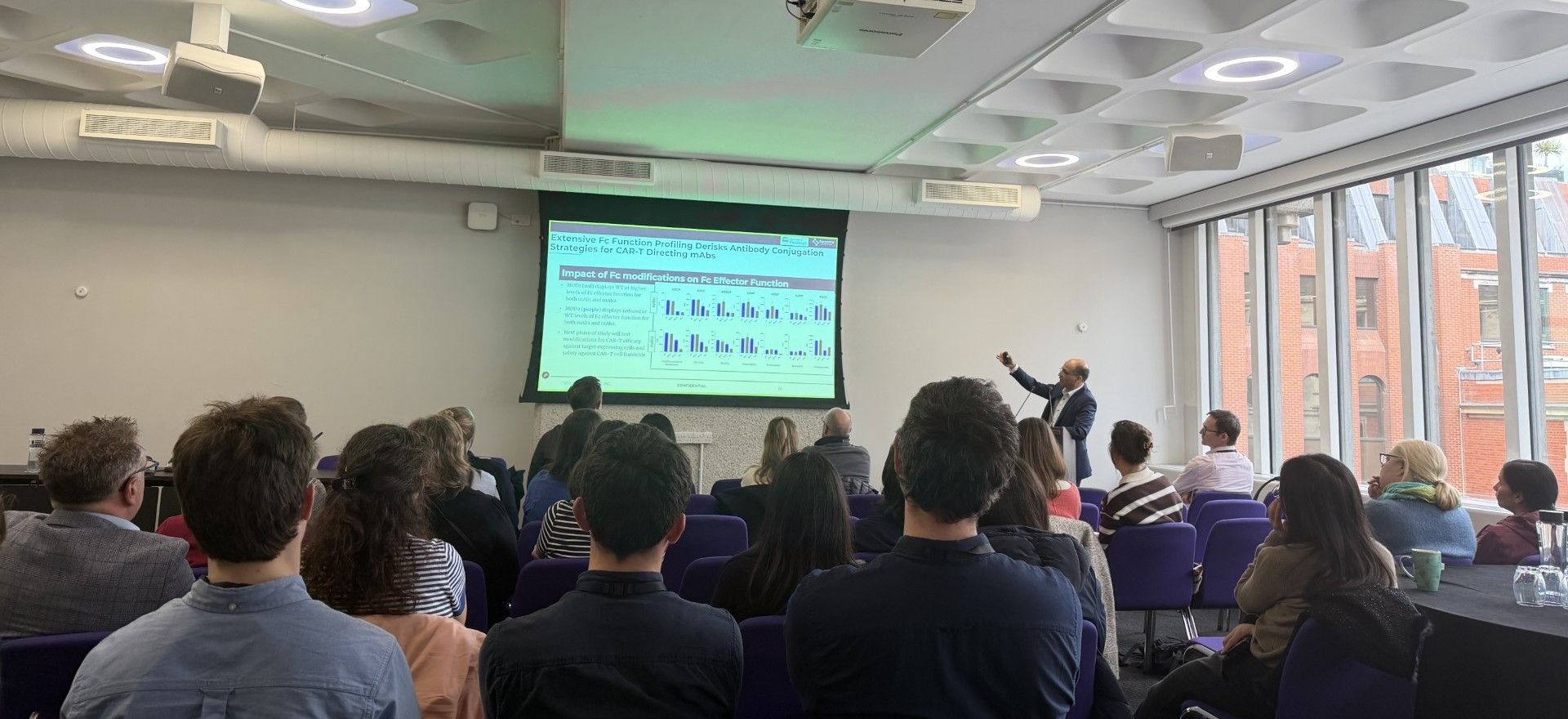
Summary: This workshop explores the sophisticated interplay between antibody engineering, receptor clustering, and Fc-mediated effector functions. As the industry moves beyond simple monoclonal antibodies, understanding how to control secondary interactions, whether through bispecific architectures or programmable synthetic motifs, is critical for enhancing tumor selectivity and de-risking clinical development. Moderator: Andrew Buchanan, PhD. Session 1: Targeting Death Receptor 5 with Mono- and Bispecific Antibodies: Fc Receptor–Dependent Effects on Tumor and Normal Cells. Speaker: Victor Goldmacher, Ph.D. Activation of death receptor 5 (DR5) requires receptor clustering, which monospecific anti-DR5 IgG antibodies achieve only through secondary crosslinking mediated by FcγRIIB, a receptor expressed on B cells and other immune cells. This FcγRIIB dependence can produce apparent anti-tumor activity in xenograft models that may not translate clinically and may also raise concerns about off-tumor toxicity due to DR5 clustering on normal tissues. We developed IMV-M, a MUC16×DR5 bispecific apoptosis trigger that clusters DR5 directly on tumor cells through MUC16 binding, eliminating the need for FcγRIIB-mediated crosslinking. IMV-M demonstrated strong, MUC16-selective anti-tumor activity in vitro and in vivo without FcγRIIB interaction and showed no toxicity in a pilot non-human primate study. We will present our data and discuss the role of FcγRIIB-dependent crosslinking in the activity and interpretation of DR5-targeting antibodies and suggest a strategy to avoid this dependency; implications for FcγRIIB interactions of ADCs will also be discussed. Session 2: Deep Fc Profiling of HER2-Targeting Antibodies: Derisking Linker Strategies for Synthetic Motif Conjugates and Uncovering Mechanistic Insights for Approved ADCs Speaker: Shashi Jatiani, Ph.D. The development of universal CAR-T systems relies on the precise orchestration of conjugated monoclonal antibodies acting as programmable adapters where the interplay between the synthetic motif and the engineered Fc region is critical for therapeutic control. This session explores the choice synthetic motif conjugation strategy to ensure the antibody acts as a precise bridge without triggering unintended biological interference, specifically focusing on decoupling endogenous immune activation from CAR-T engagement. By tuning Fc-effector function, detrimental immune triggers can be reduced or silenced to prevent CART cell fratricide and CRS, ensuring the primary therapeutic action remains driven by the CAR-T cells while still leveraging beneficial Fc-mediated efficacy. Complementing this, the session presents a separate set of data involving the deep Fc-effector profiling of approved HER2-targeting antibodies. This comprehensive comparative analysis of trastuzumab-based ADCs reveals how different linker-payload combinations influence FcγR and C1q binding dynamics, providing a high-resolution map of how established ADC architectures impact innate immune-modulating potential and safety de-risking.
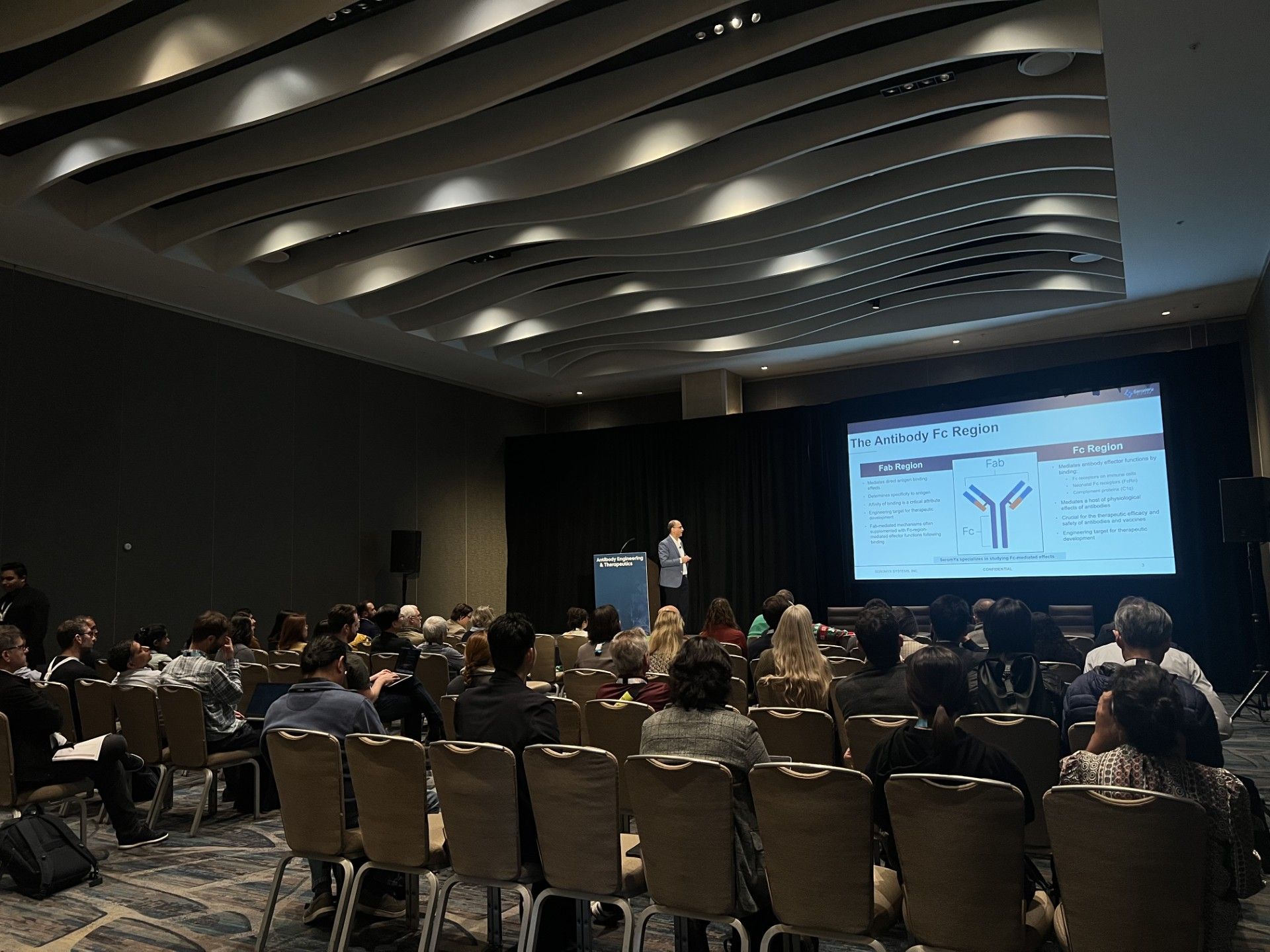
Background: Each antibody format introduces unique structural and functional variables that can significantly alter Fc effector activity. Assessing therapeutic antibodies on SeromYx’s high-throughput, GCLP-accredited Fc effector function platform enables empirical and format-agnostic profiling of developmental candidates. Our platform has helped uncover critical, early insights into the therapeutic activity and safety of diverse antibody formats, guiding development with data-driven decisions.
Background: Monoclonal antibodies (mAbs), bispecific antibodies (BsAbs) and antibody drug conjugates (ADCs) are key players in cancer immunotherapy. Beyond antigen targeting, their Fc regions mediate pivotal effector functions that significantly impact clinical efficacy and safety. Most developmental pipelines assess NK cell mediated antibody dependent cellular cytotoxicity (ADCC), monocyte mediated antibody dependent cellular phagocytosis (ADCP), and complement dependent cytotoxicity (CDC) but do not consider the Fc functions mediated by other immune effectors such as macrophages, neutrophils, basophils, eosinophils, and dendritic cells. A comprehensive understanding of Fc functions elicited by therapeutic antibodies can enable data-driven lead selection and optimization to increase confidence while progressing to the clinic.
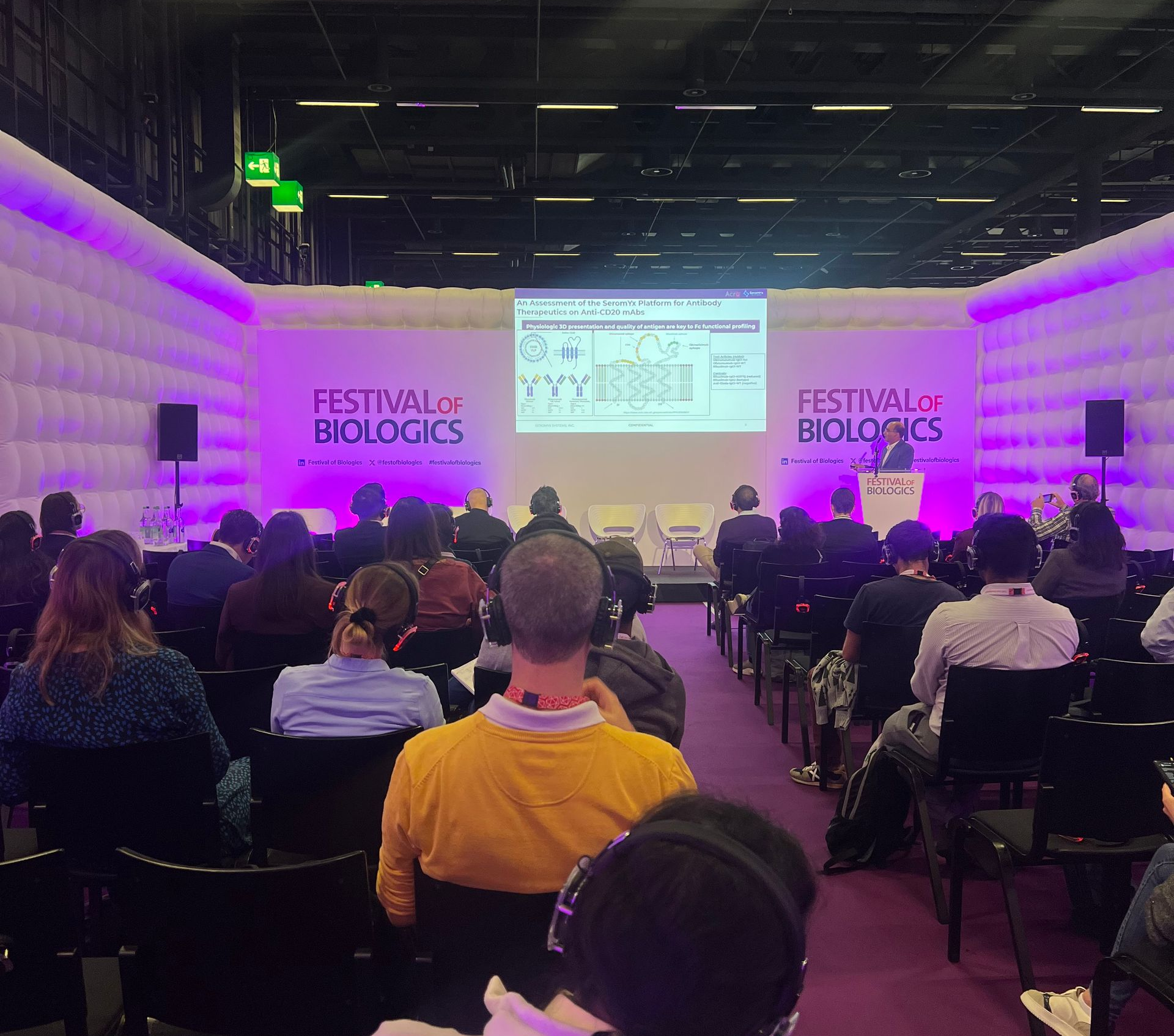
Summary: The arena of therapeutic antibodies is led by monoclonal antibodies (mAbs), bispecifics (BsAbs) and antibody drug conjugates (ADCs) with more complex Fc-containing formats currently gaining clinical traction. Antigen targeting remains the focus of candidate selection, however, Fc-mediated functions of antibodies significantly impact clinical efficacy and safety. Most developmental pipelines only assess Fc functions mediated by a narrow set of effectors, namely, NK cells (ADCC), monocytes (ADCP), and complement (CDC), but do not consider other immune effectors such as macrophages, neutrophils, basophils, eosinophils, dendritic cells, and platelets. A comprehensive assessment of Fc mediated functions can enable data-driven lead selection and optimization to advance the most promising candidates into the clinic with confidence.
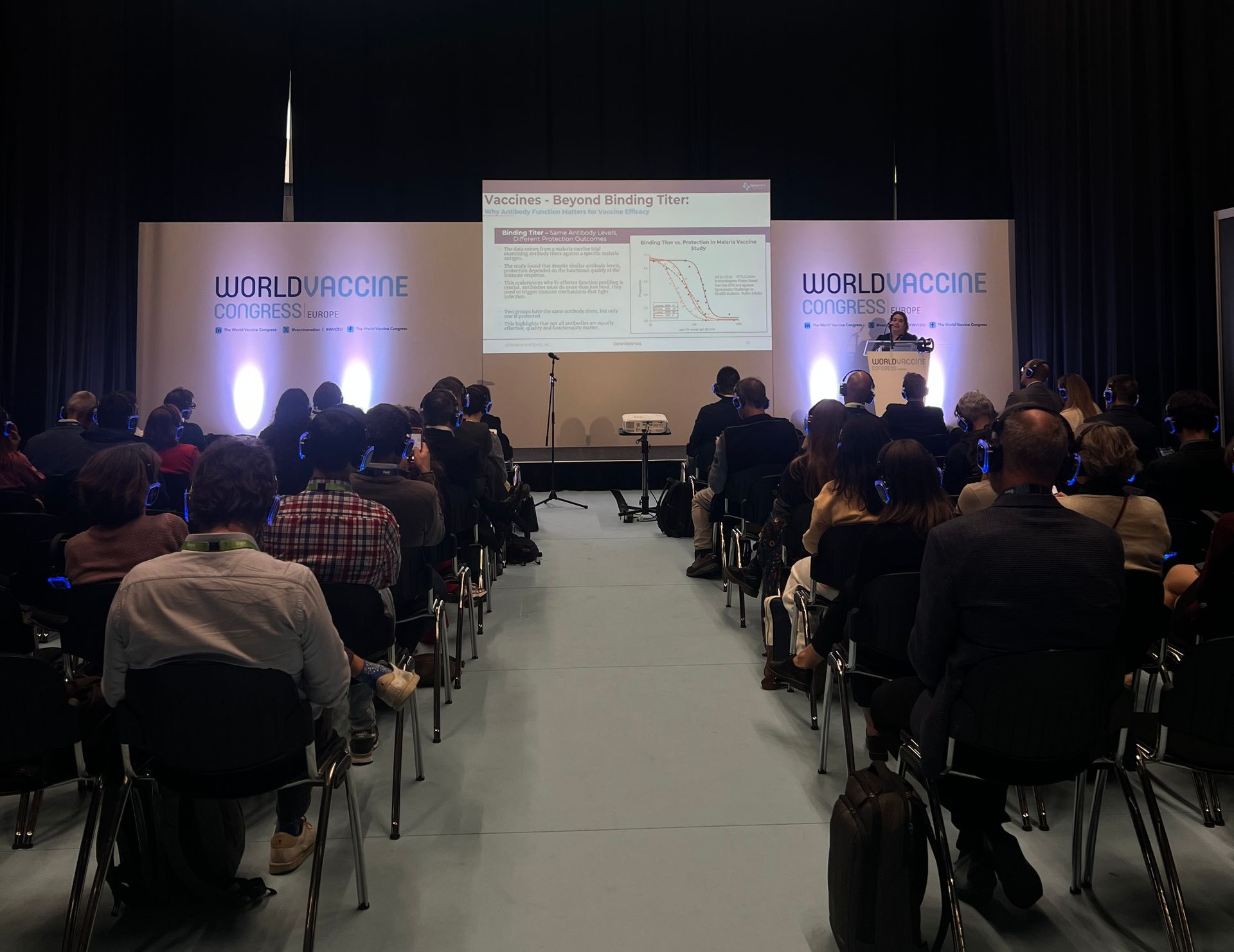
Summary: Traditional vaccine evaluation often relies on binding or neutralization titers, yet these measures fail to capture the full spectrum of antibody functions that drive protection. SeromYx’s systems serology platform delivers the most comprehensive view of Fc-mediated effector functions, enabling developers to uncover correlates of protection, optimize lead selection, and de-risk clinical development. Drawing on case studies from malaria, COVID-19, and more, this talk will highlight how functional antibody profiling reveals protective signatures overlooked by standard assays, and how these insights are reshaping next-generation vaccine and immunotherapeutic design. Attendees will gain a practical understanding of why going beyond binding is essential for tackling complex pathogens and advancing more effective, durable interventions.