

At SeromYx, our research has advanced both vaccine and antibody therapeutic development. Our publications highlight innovative approaches such as high-dimensional immune profiling and Fc effector function assays. Explore our latest work to see the science behind our platform.
Featured Publication
This featured publication highlights the importance of early Fc effector function profiling in antibody therapeutic development. Explore how antibody structure and function intersect to inform safer, more effective design strategies.
Title: The importance of broadly measuring Fc mediated effector function early in the antibody development process
Authors: Crescioli, S, Jatiani, S, & Moise, L, (2025). mAbs, 17(1).
Journal: mAbs
Journal Abstract: Antibody therapeutics are rapidly evolving, with new formats and engineered designs expanding their potential across a range of diseases. A comprehensive evaluation of Fc-mediated effector functions early in development is critical to guide safe, effective therapeutic design.
Abstract: Respiratory syncytial virus (RSV) is a leading cause of respiratory illness and there is no universally accepted serological correlate of protection (CoP). We evaluated serum pre-fusion immunoglobulin G binding (preF-IgG) and RSV-A2 neutralizing antibodies (RSV-nAb) in adults aged >60 years following vaccination with investigational Ad26.RSV.preF–RSV preF vaccine. PreF-IgG and RSV-nAb measured pre-vaccination (Day 1) and Day 15 post-vaccination were assessed as CoPs against RSV-mediated acute respiratory infection (ARI) and lower respiratory tract disease (LRTD). An increase in both preF-IgG and RSV-nAb at Day 15 was significantly associated with reduced occurrence of RSV-mediated ARI and LRTD during follow-up. Based on controlled vaccine-efficacy curves and Prentice criteria, both markers were identified as CoPs for RSV-mediated ARI and LRTD. These results were validated using samples from a second randomized, phase 3 efficacy trial. Comprehensive profiling of preF-specific antibody responses showed that preF IgG3 and IgG2 may also contribute to protection from RSV.
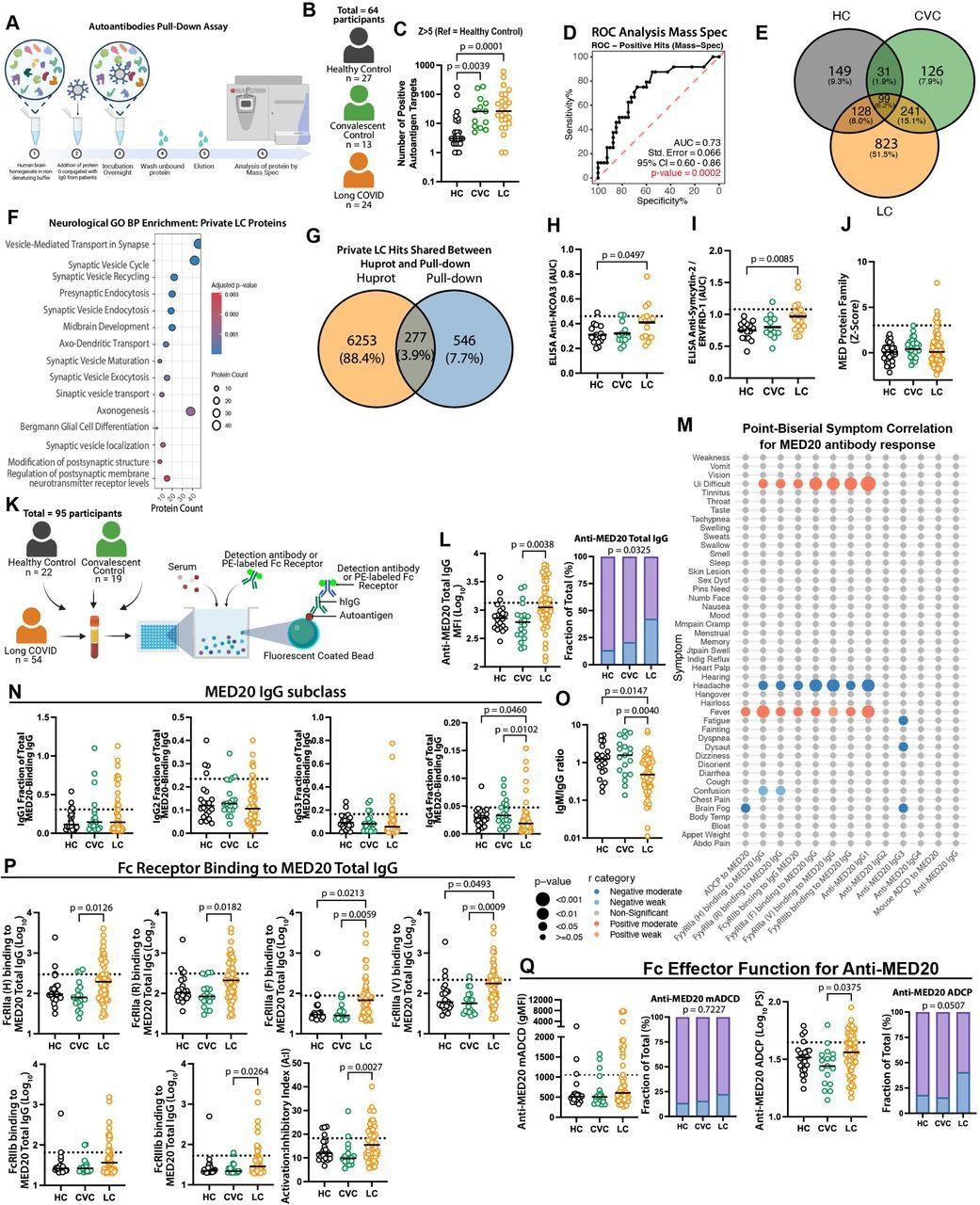
Abstract: Acute SARS-CoV-2 infection triggers the de novo production of diverse, functional autoantibodies (AABs) that remain elevated in Long COVID (LC), but their pathogenic role remains unclear. Using tissue-based immunofluorescence, ELISA, human protein array, and mass spectrometry assays, we identified a broad range of AAB targets among individuals with LC. Individuals with neurocognitive symptoms showed increased AABs against central and peripheral nervous system proteins. Purified IgG reacted with human locus coeruleus, thalamus, adrenal gland, thyroid, and cross-reacted with mouse sciatic nerve and meninges. CNS-reactive AABs correlated with several neurological symptoms. MED20-targeting IgG from patients with LC showed enhanced antibody-dependent phagocytosis. Passive transfer of IgG from individuals with LC into mice induced fatigue-like behavior, loss of balance/coordination, thermal hyperalgesia, small fiber nerve damage, and increased pain-related neuronal activity, recapitulating patients’ symptoms. These findings suggest that targeting AABs might offer therapeutic benefits for this LC subgroup.
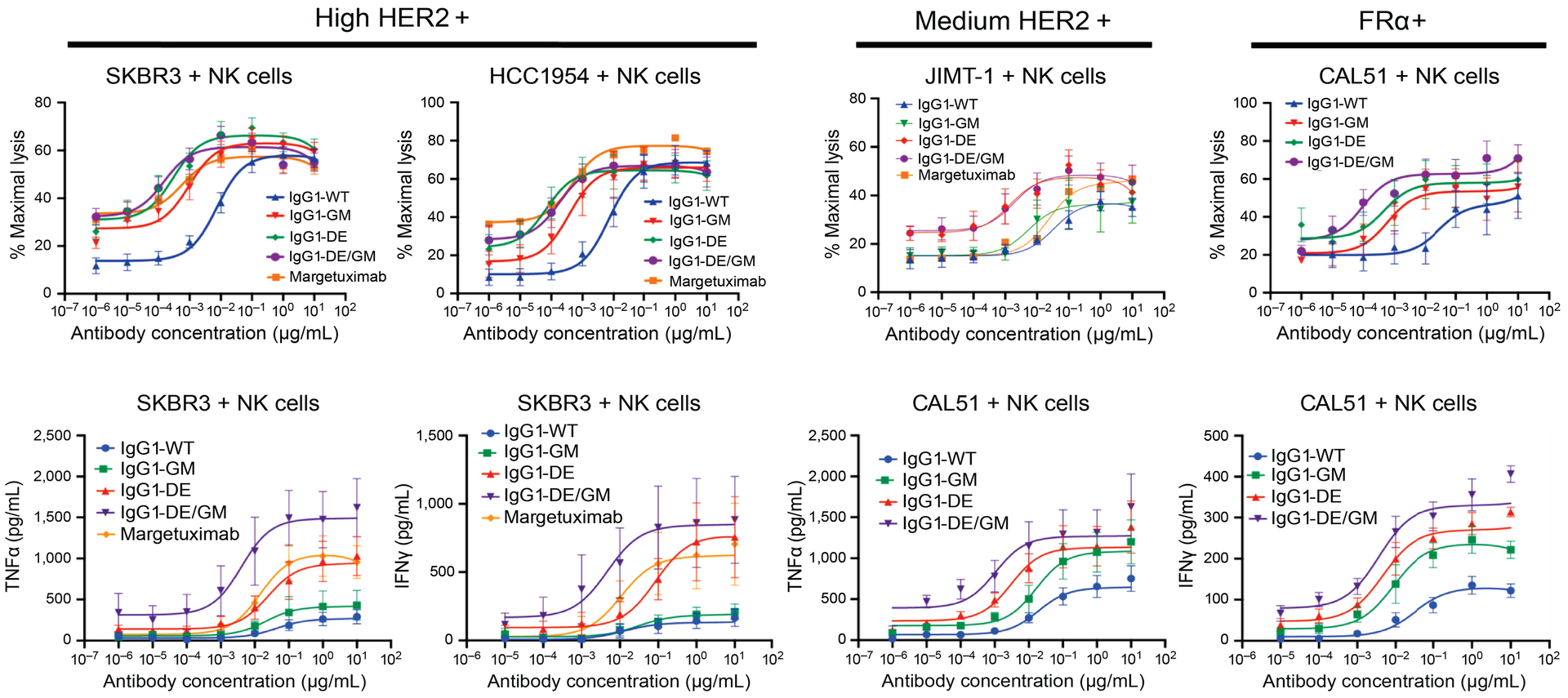
Abstract: Fc engineering to enhance antibody effector functions harbors the potential to improve therapeutic effects. Understanding FcγR expression and distribution in the tumor microenvironment prior to and following treatment may help guide immune-engaging antibody design and patient stratification. In this study, we investigated FcR-expressing immune effector cells in HER2 + and triple-negative breast cancers (TNBC), including neoadjuvant chemotherapy–resistant disease. FcγRIIIa expression, FcγRIIIa + NK cells, and classically activated (M1-like) macrophages correlated with improved anti-HER2 antibody efficacy. FcγRIIIa protein and FcγRIIIa + NK cells and macrophages were present in primary TNBC and retained in treatment-resistant tumors.
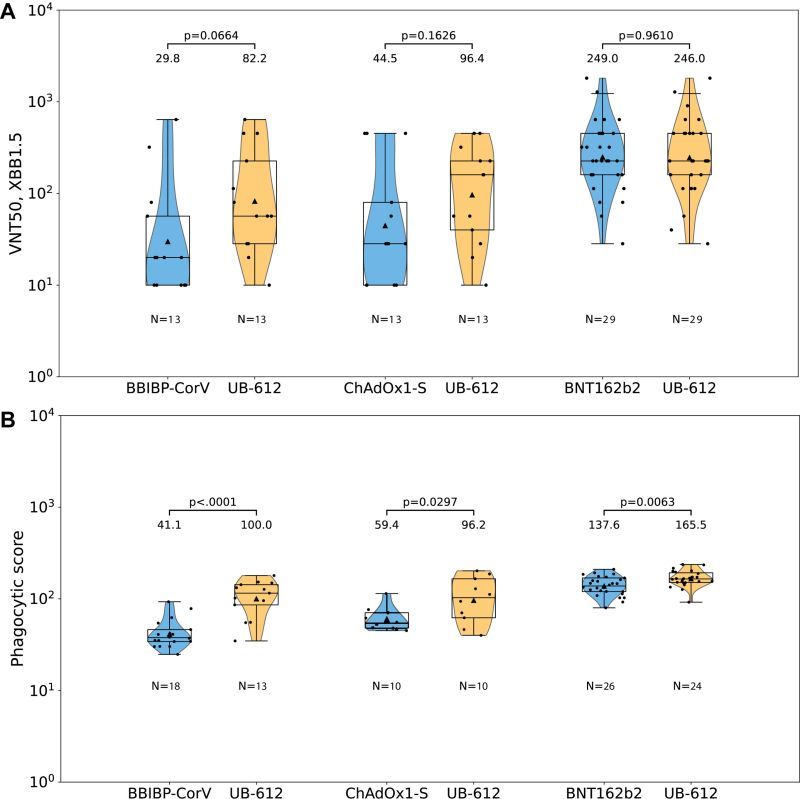
Background Authorized COVID-19 vaccines require boosters for continued protection; however, the lack of crossplatform compatible boosters creates practical challenges to keeping populations protected. Methods This Phase 3, multicenter, international, randomized, active-controlled trial compared UB-612 as a thirddose heterologous booster to BNT162b2, ChAdOx1-S, or BBIBP-CorV homologous boosters in healthy subjects aged ≥16 years. Participants were randomly assigned 1:1 to receive a single intramuscular injection of UB-612 or an active comparator matching the primary dose, and were stratified for age, sex, N-protein seropositivity, and time since the last dose of their primary series COVID-19 vaccination. The primary objective was to show noninferiority of neutralizing antibody geometric mean titer (GMT) against live SARS-CoV-2 Wuhan strain after boosting with UB-612 or each of the licensed platform vaccines. Secondary and exploratory objectives covered short and long-term antibody responses. The safety analysis addressed subject and investigator reported adverse events. The study was registered on ClinicalTrials.gov, NCT05293665, and completed on September 12, 2023.
Journal Abstract: Antibodies targeting the malaria circumsporozoite protein (CSP) can prophylactically protect against malaria by targeting Plasmodium parasites before they establish symptomatic blood-stage disease. Engineering the antibody Fc region to more effectively engage immune effector functions has produced therapeutic antibodies with enhanced potency against viral and oncological targets. However, whether Fc-dependent immune effector functions can contribute to the protection of malaria CSP mAbs or be further enhanced via engineering has been limitedly tested. Here, we report that Fc-dependent effector functions are required for achieving maximal protection via prophylactic treatment with the CSP mAb 317. We further report that Fc engineering modulated the activity of multiple CSP mAbs in multiple in vitro assays of effector function. Our studies revealed that the mAbs L9 and CIS43 were more potent drivers of antibody-dependent phagocytosis, NK activation and killing, and complement deposition. In contrast, 317, but not L9 and CIS43, drove enhanced activation of CSP-responsive T-cells after DC acquisition of mAb-complexed antigens. Collectively, our data suggest that effector function represents an important mechanism of anti-CSP antibodies with the potential to enhance activity through Fc engineering.
Background Crimean-Congo hemorrhagic fever is a tick-borne febrile illness with wide geographic distribution. In recent years the geographic range of CCHFV and its tick vector have increased, placing an increasing number of people at risk of CCHFV infection. Currently there are no widely available vaccines and although the World Health Organization recommends ribavirin for treatment, its efficacy is unclear. Vaccines are critically needed for CCHFV. Methods Here we evaluated a promising replicating RNA vaccine for CCHFV in a Cynomolgus macaque model of disease. Findings In primed and boosted macaques, we found that our replicating RNA vaccine expressing the CCHFV nucleoprotein (repNP) was highly immunogenic, eliciting a robust non-neutralizing antibody response that conferred significant protection against CCHFV challenge. Macaques receiving a single repNP vaccination were partially protected against CCHFV challenge. Interpretation Our data demonstrate that our repNP vaccine and NP-specific antibody can protect against CCHFV in non-human primates. Funding This study was supported by the Intramural Research Program of the NIAID/NIH and the Medical CBRN Defense Consortium grant #MCDC2204-011.

Journal Abstract: Ovarian cancer is the most lethal gynaecological cancer and treatment options remain limited. In a recent first-in-class Phase I trial, the monoclonal IgE antibody MOv18, specific for the tumour-associated antigen Folate Receptor-α, was well-tolerated and preliminary anti-tumoural activity observed. Pre-clinical studies identified macrophages as mediators of tumour restriction and pro-inflammatory activation by IgE. However, the mechanisms of IgE-mediated modulation of macrophages and downstream tumour immunity in human cancer remain unclear. Here we study macrophages from patients with epithelial ovarian cancers naive to IgE therapy. High-dimensional flow cytometry and RNA-seq demonstrate immunosuppressive, FcεR-expressing macrophage phenotypes. Ex vivo co-cultures and RNA-seq interaction analyses reveal immunosuppressive associations between patient-derived macrophages and regulatory T (Treg) cells. MOv18 IgE-engaged patient-derived macrophages undergo pro-inflammatory repolarisation ex vivo and display induction of a hyperinflammatory, T cell-stimulatory subset. IgE reverses macrophage-promoted Treg cell induction to increase CD8+ T cell expansion, a signature associated with improved patient prognosis. On-treatment tumours from the MOv18 IgE Phase I trial show evidence of this IgE-driven immune signature, with increased CD68+ and CD3+ cell infiltration. We demonstrate that IgE induces hyperinflammatory repolarised states of patient-derived macrophages to inhibit Treg cell immunosuppression. These processes may collectively promote immune activation in ovarian cancer patients receiving IgE therapy. Authors: Osborn, G., López-Abente, J., Adams, R. et al. Journal: Nature Communications
Introduction: Nirsevimab is an extended half-life (M252Y/S254T/T256E [YTE]-modified) monoclonal antibody to the pre-fusion conformation of the respiratory syncytial virus (RSV) Fusion protein, with established efficacy in preventing RSV-associated lower respiratory tract infection in infants for the duration of a typical RSV season. Previous studies suggest that nirsevimab confers protection via direct virus neutralization. Here we use preclinical models to explore whether fragment crystallizable (Fc)-mediated effector functions contribute to nirsevimab-mediated protection. Methods: Nirsevimab, MEDI8897* (i.e., nirsevimab without the YTE modification), and MEDI8897*-TM (i.e., MEDI8897* without Fc effector functions) binding to Fc γ receptors (FcγRs) was evaluated using surface plasmon resonance. Antibody-dependent neutrophil phagocytosis (ADNP), antibody-dependent cellular phagocytosis (ADCP), antibody-dependent complement deposition (ADCD), and antibody-dependent cellular cytotoxicity (ADCC) were assessed through in vitro and ex vivo serological analyses. A cotton rat challenge study was performed with MEDI8897* and MEDI8897*-TM to explore whether Fc effector functions contribute to protection from RSV. Results: Nirsevimab and MEDI8897* exhibited binding to a range of FcγRs, with expected reductions in FcγR binding affinities observed for MEDI8897*-TM. Nirsevimab exhibited in vitro ADNP, ADCP, ADCD, and ADCC activity above background levels, and similar ADNP, ADCP, and ADCD activity to palivizumab. Nirsevimab administration increased ex vivo ADNP, ADCP, and ADCD activity in participant serum from the MELODY study (NCT03979313). However, ADCC levels remained similar between nirsevimab and placebo. MEDI8897* and MEDI8897*-TM exhibited similar dose-dependent reduction in lung and nasal turbinate RSV titers in the cotton rat model. Conclusion: Nirsevimab possesses Fc effector activity comparable with the current standard of care, palivizumab. However, despite possessing the capacity for Fc effector activity, data from RSV challenge experiments illustrate that nirsevimab-mediated protection is primarily dependent on direct virus neutralization. Authors: Brady, Tyler et al. Frontiers in Immunology , Volume 14, 1283120. Journal: Frontiers in Immunology

Journal Abstract: The current global COVID-19 pandemic caused by severe acute respiratory syndrome coronavirus 2 (SARS-CoV-2) has resulted in a public health crisis with more than 168 million cases reported globally and more than 4.5 million deaths at the time of writing. In addition to the direct impact of the disease, the economic impact has been significant as public health measures to contain or reduce the spread have led to country wide lockdowns resulting in near closure of many sectors of the economy. Antibodies are a principal determinant of the humoral immune response to COVID-19 infections and may have the potential to reduce disease and spread of the virus. The development of monoclonal antibodies (mAbs) represents a therapeutic option that can be produced at large quantity and high quality. In the present study, a mAb combination mixture therapy was investigated for its capability to specifically neutralize SARS-CoV-2. We demonstrate that each of the antibodies bind the spike protein and neutralize the virus, preventing it from infecting cells in an in vitro cell-based assay, including multiple viral variants that are currently circulating in the human population. In addition, we investigated the effects of two different mutations in the Fc portion (YTE and LALA) of the antibody on Fc effector function and the ability to alleviate potential antibody-dependent enhancement of disease. These data demonstrate the potential of a combination of two mAbs that target two different epitopes on the SARS-CoV2 spike protein to provide protection against SARS-CoV-2 infection in humans while extending serum half-life and preventing antibody-dependent enhancement of disease. Authors: House, R. V., Broge, T. A., Suscovich, T. J., Snow, D. M., Tomic, M. T., Nonet, G., … Earnhart, C. G. (2022). Evaluation of strategies to modify Anti‑SARS‑CoV‑2 monoclonal antibodies for optimal functionality as therapeutics. PLOS ONE, 17(6), e0267796. Journal: PLOS One
Journal Abstract/ Summary: As SARS-CoV-2 infections and death counts continue to rise, it remains unclear why some individuals recover from infection, whereas others rapidly progress and die. Although the immunological mechanisms that underlie different clinical trajectories remain poorly defined, pathogen-specific antibodies often point to immunological mechanisms of protection. Here, we profiled SARS-CoV-2-specific humoral responses in a cohort of 22 hospitalized individuals. Despite inter-individual heterogeneity, distinct antibody signatures resolved individuals with different outcomes. Although no differences in SARS-CoV-2-specific IgG levels were observed, spike-specific humoral responses were enriched among convalescent individuals, whereas functional antibody responses to the nucleocapsid were elevated in deceased individuals. Furthermore, this enriched immunodominant spike-specific antibody profile in convalescents was confirmed in a larger validation cohort. These results demonstrate that early antigen-specific and qualitative features of SARS-CoV-2-specific antibodies point to differences in disease trajectory, highlighting the potential importance of functional antigen-specific humoral immunity to guide patient care and vaccine development. Authors: Atyeo et al. Immunity (2020) Journal: Immunity