
SeromYx Systems Announces Strategic Collaboration to Advance Understanding and Treatment of Long COVID

Abigail Harris • September 25, 2024

Woburn, MA, September, 25th, 2024 – SeromYx Systems , a leading provider of GCLP Systems Serology and Antibody characterization services, is excited to announce a new immunobiology collaboration to better understand Post-Acute Sequelae of SARS-CoV-2 infection (PASC), otherwise known as Long COVID.

The work is being done in collaboration with renowned HHMI investigator and Sterling Professor of Immunobiology and Molecular, Cellular, and Developmental Biology at Yale School of Medicine, Dr. Akiko Iwasaki, and her team at Yale’s Center of Infection & Immunity.

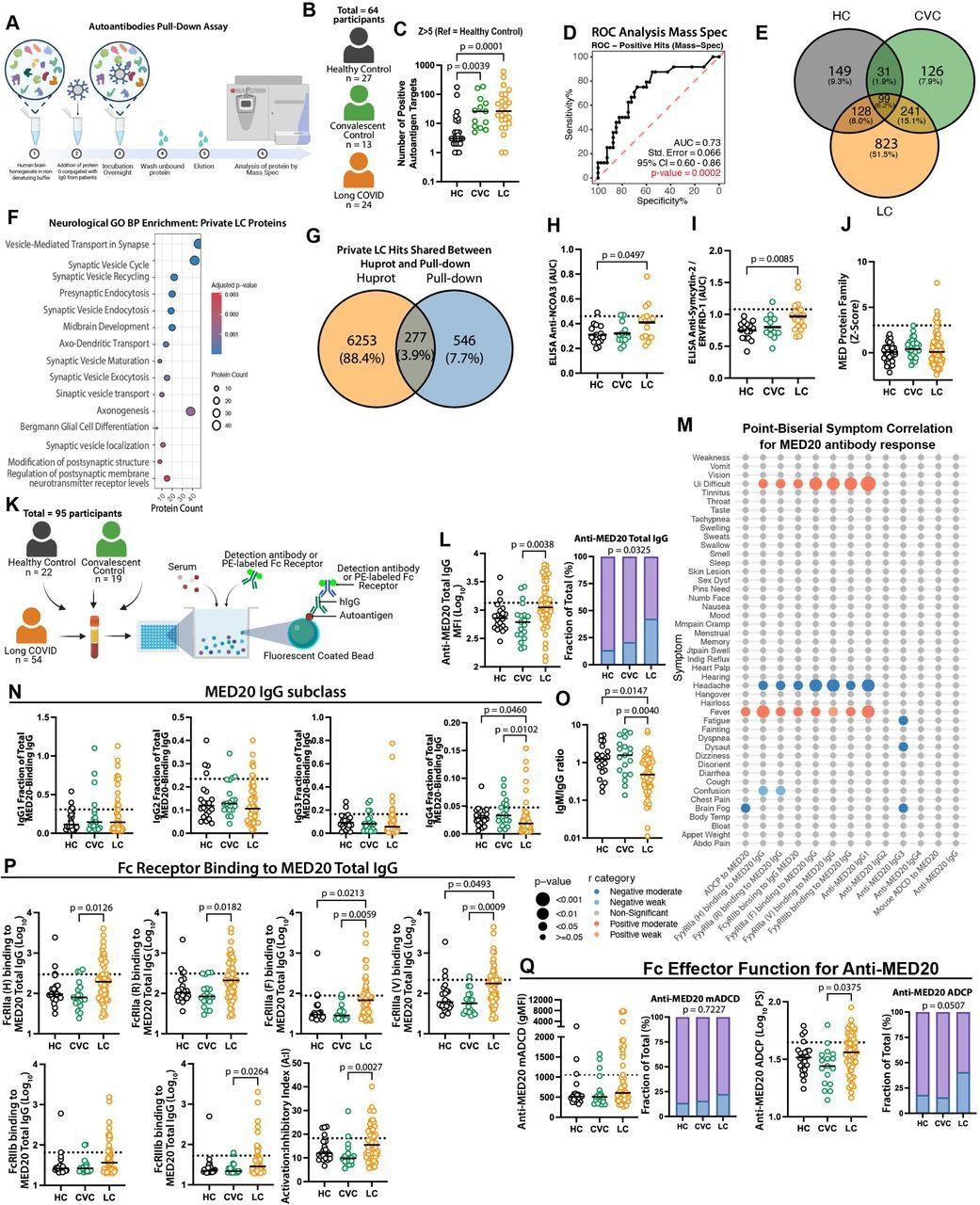
Long COVID presents a myriad of symptoms and conditions that persist in patients for extended periods following the initial SARS-CoV-2 infection. Recognizing the significance of this issue, SeromYx will be spearheading a groundbreaking initiative to conduct comprehensive biophysical and cellular Fc-effector function profiling of serum samples obtained from long COVID patients within specific cohorts of the Mount Sinai-Yale Long COVID (MY-LC) Study. Dr. David Putrino led patient recruitment efforts at Mount Sinai in collaboration with Iwasaki and her team at Yale. Putrino is the Director of Rehabilitation Innovation for the Mount Sinai Health System, and he is the Nash Family Director of the Cohen Center for Recovery from Complex Chronic Illnesses (CoRE). The MY-LC cohort is one of the most comprehensively characterized Long COVID human cohorts, where in addition to health data, extensive multi-omics datasets are available. These include deep immune profiling, plasma proteomics, autoantibody profiling, serum epitope repertoire analyses, and more, as recently described (Klein et al , Nature 2023). The new comprehensive study planned by the Yale-SeromYx collaboration is poised to yield new key molecular insights, which leveraging the existing rich datasets, promise to illuminate the mechanisms driving this complex disease.

This collaboration signifies an important step towards gaining valuable immunologic insights that may substantially enhance the diagnosis and treatment of Long COVID. By combining SeromYx’s expertise in Systems Serology with Yale’s innovative multi-dimensional approaches to biological analysis, we aim to contribute significantly to the understanding and management of this complex condition.

“We are thrilled to work with Dr. Akiko Iwasaki and her exceptional team at Yale School of Medicine in this important endeavor,” said Lenny Moise, VP, Research at SeromYx Systems. “Together, we are committed to driving advancements in the field of immunology and making meaningful strides in addressing the challenges posed by Long COVID.”

This collaboration underscores SeromYx Systems’ dedication to leveraging cutting-edge technologies and strategic partnerships to tackle pressing healthcare issues. The company looks forward to a fruitful collaboration with Iwasaki’s Lab and anticipates the positive impact that this joint effort will have on the lives of individuals affected by Long COVID.

For more information about SeromYx Systems and its pioneering work in Systems Serology services, visit https://www.seromyx.com/.

About SeromYx Systems: SeromYx Systems is a global leader in providing GCLP high-throughput antibody characterization services and Systems Serology, offering advanced solutions for the comprehensive analysis of immune responses. With a dedication to innovation and excellence, SeromYx is at the forefront of revolutionizing the field of immunology through its cutting-edge technologies and strategic collaborations.

Contact:
Abigail Harris
Business Development Manager
Abigail.Harris@seromyx.com
February 12, 2026
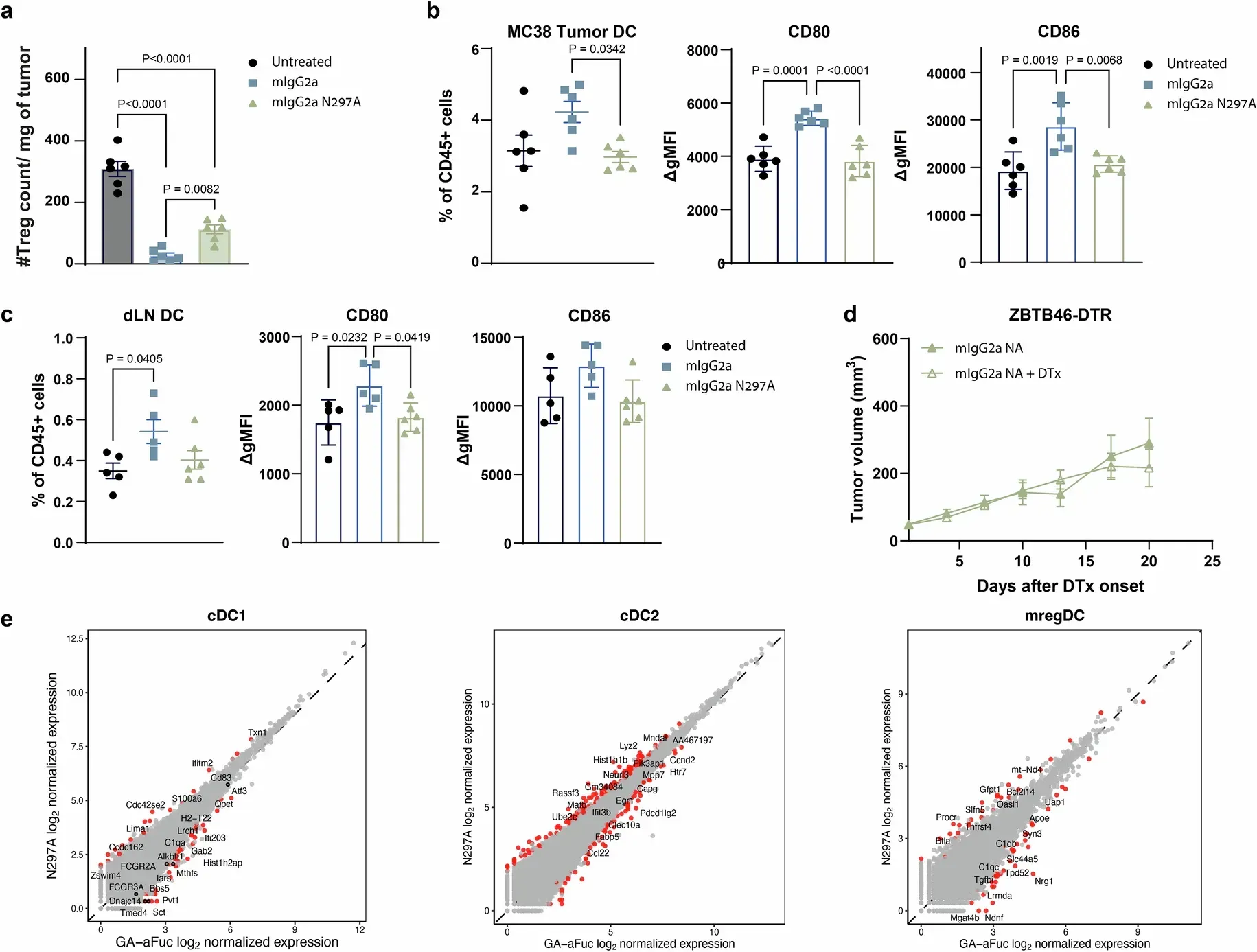
The Fc Review: How well do our preclinical models capture human Fc biology? A new Science Immunology study takes a deep look at Fcγ receptor and FcRn expression across humans, non-human primates, and mice, highlighting how species-specific differences shape Fc-mediated immune function. Background: Fc-dependent activity is influenced not only by antibody design, but also by where and how Fcγ receptors are expressed across immune cell types and tissues. While animal models remain central to #antibody development, differences in Fcγ receptor biology across species can complicate interpretation of Fc-driven mechanisms. The study highlights: Species-specific differences in Fcγ receptor expression patterns across immune cell subsets and tissues. Context-dependent regulation of Fcγ receptors by inflammatory cues, with expression shifting across cell types and environments. These differences influence how Fc-mediated functions are engaged and interpreted across experimental systems. Cross-species variation in FcγR and FcRn biology helps explain why Fc-dependent effects observed preclinically may not always translate cleanly to human settings. 
January 21, 2026
The Fc Review: How are antibody developers actually using Fc engineering today? A recent analysis of the IMGT/mAb-DB database takes a systematic look at engineered Fc variants across therapeutic antibodies and fusion proteins, offering a real-world snapshot of how Fc design choices are being deployed in the clinic. Background: Fc engineering is often discussed in terms of individual mutations or isolated use cases. But at an industry level, it’s less clear how frequently Fc variants are used, which functions are prioritized, and whether antibodies rely on single or multiple Fc modifications. By mining curated entries in IMGT/mAb-DB, this study steps back to examine Fc engineering trends across approved and clinical-stage molecules. The review highlights: Fc engineering is widespread across therapeutic antibodies and fusion proteins cataloged in IMGT/mAb-DB Effector silencing strategies are commonly employed, particularly in programs prioritizing safety and controlled immune engagement Many molecules incorporate multiple Fc variants, rather than a single engineered change Fc modifications are used across a range of mechanisms and formats, underscoring Fc’s role as an intentional design lever
December 4, 2025
The Fc Review: Continuing our series taking a closer look at recent Fc-focused papers, what they found, and why it matters for antibody discovery and development. Can we program the Fc region? A recent bioRxiv preprint explores this question at scale, using millions of Fc variants to train machine learning models that predict functional outcomes across FcγR interactions. Background: Through engagement with Fc-receptors, the antibody Fc domain can direct a broad range of immune activities, including phagocytosis, cytokine release, antigen presentation, and immune cell polarization – each of which could be precisely tuned to combat disease. Fc engineering has traditionally focused on modifying one property at a time (E.g., ADCC, ADCP, or half-life). This work instead treats the Fc region as a functional design space and explores how sequence variations across the Fc domain can be linked to real immune engagement. 
November 20, 2025
The Fc Review: One Fc variant, three advantages? A Nature Communications study demonstrates how a single Fc-engineered IgG achieved improved half-life, mucosal distribution, and enhanced immune-mediated killing, across both cancer and bacterial models. Background: Fc engineering is often discussed through a single lens, half-life extension, effector boosting, or silencing. This paper explores a broader question: can an Fc variant containing three point mutations deliver multiple functional gains across different biological systems?
October 28, 2025
The Fc Review: How does Fc engineering shape bispecific antibody function? A Frontiers in Bioengineering and Biotechnology review explores how the Fc region can be tuned to control effector function, half-life, and safety, key levers in the design of next-generation bispecific antibodies ( bsAbs ). Background: Bispecific antibodies bring new therapeutic possibilities by engaging multiple targets at once. But this complexity also brings new challenges, from unwanted immune activation to altered pharmacokinetics . The Fc region plays a central role here, acting as both a stabilizing scaffold and a regulator of immune effector engagement
October 23, 2025
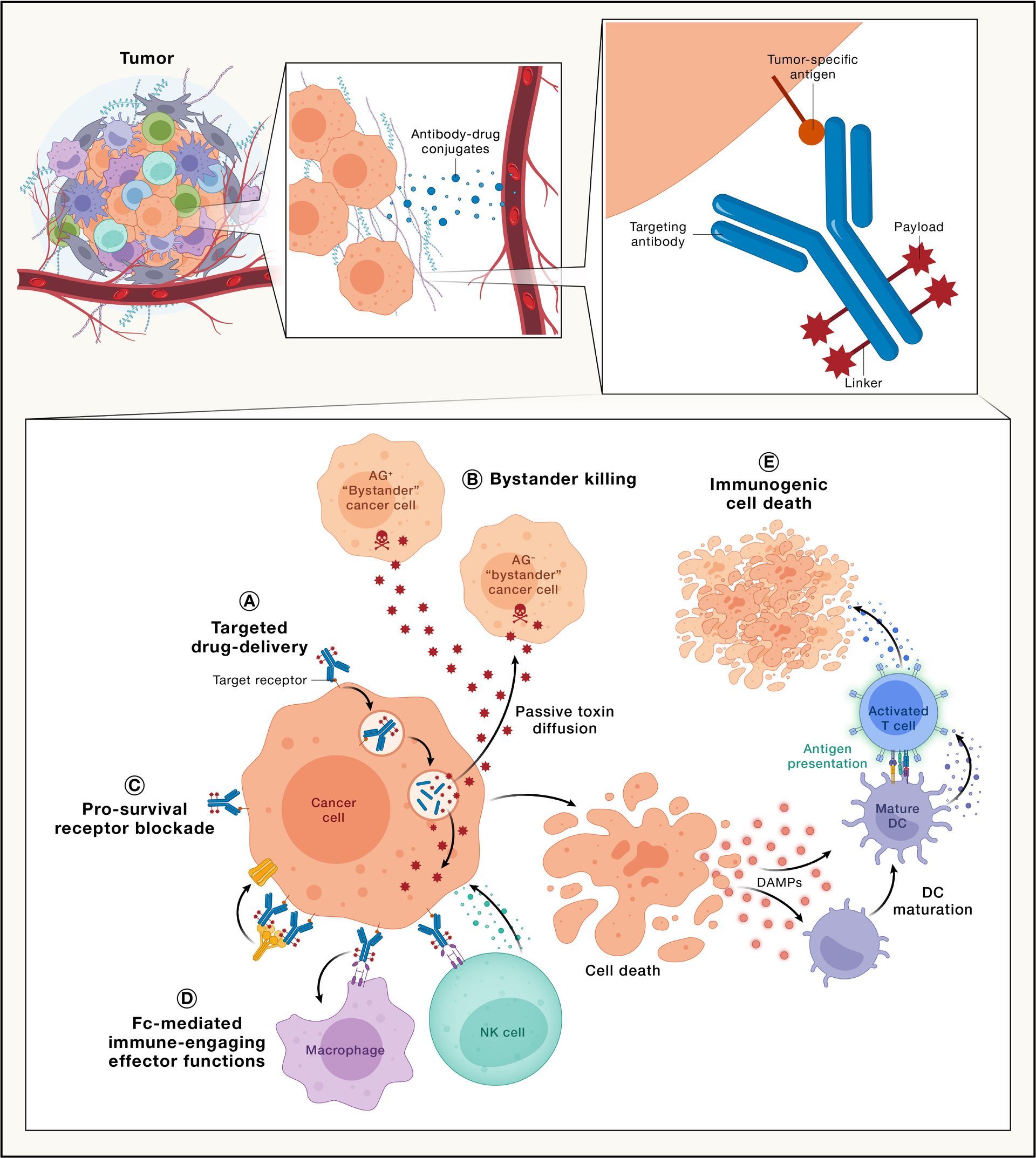
Abstract: Fc engineering to enhance antibody effector functions harbors the potential to improve therapeutic effects. Understanding FcγR expression and distribution in the tumor microenvironment prior to and following treatment may help guide immune-engaging antibody design and patient stratification. In this study, we investigated FcR-expressing immune effector cells in HER2 + and triple-negative breast cancers (TNBC), including neoadjuvant chemotherapy–resistant disease. FcγRIIIa expression, FcγRIIIa + NK cells, and classically activated (M1-like) macrophages correlated with improved anti-HER2 antibody efficacy. FcγRIIIa protein and FcγRIIIa + NK cells and macrophages were present in primary TNBC and retained in treatment-resistant tumors.
Text:
October 10, 2025
Antibody Engineering & Therapeutics 2025
September 15, 2025
Background Authorized COVID-19 vaccines require boosters for continued protection; however, the lack of crossplatform compatible boosters creates practical challenges to keeping populations protected. Methods This Phase 3, multicenter, international, randomized, active-controlled trial compared UB-612 as a thirddose heterologous booster to BNT162b2, ChAdOx1-S, or BBIBP-CorV homologous boosters in healthy subjects aged ≥16 years. Participants were randomly assigned 1:1 to receive a single intramuscular injection of UB-612 or an active comparator matching the primary dose, and were stratified for age, sex, N-protein seropositivity, and time since the last dose of their primary series COVID-19 vaccination. The primary objective was to show noninferiority of neutralizing antibody geometric mean titer (GMT) against live SARS-CoV-2 Wuhan strain after boosting with UB-612 or each of the licensed platform vaccines. Secondary and exploratory objectives covered short and long-term antibody responses. The safety analysis addressed subject and investigator reported adverse events. The study was registered on ClinicalTrials.gov, NCT05293665, and completed on September 12, 2023.
September 9, 2025
The Fc Review: Continuing our series taking a closer look at recent Fc-focused papers, what they found, and why it matters for antibody discovery and development. How does Fc engineering shape the translation of antibodies from preclinical models to the clinic? A new industry-wide review with 15 case studies examines the impact of Fc modifications on pharmacology and safety, and the challenges of predicting human outcomes from nonclinical studies. Background: Fc regions do not only extend half-life, they drive functions like ADCC , ADCP, CDC, and immune modulation. Engineering the Fc can enhance, silence, or redirect these activities. But the same changes that deliver potency can also introduce risk, especially when preclinical models do not fully mirror human Fc receptor biology.
August 25, 2025
NextGen Biomed 2026
More Posts →