
SeromYx Systems and ACROBiosystems Announces Strategic Collaboration on Comprehensive Functional Profiling of Anti-CD20 Monoclonal Antibodies

Abigail Harris • October 1, 2024

Woburn, MA / Newark, DE – October 1st, 2024  – SeromYx Systems , a cutting-edge immunology technology company, and ACROBiosystems , a leading provider for life science solutions and tools, are excited to announce the release of their joint study on the comprehensive functional profiling of approved anti-CD20 monoclonal antibodies (mAbs). The collaboration leverages SeromYx’s advanced biophysical and cellular Fc-effector function platform and ACROBiosystems’ recombinant human full-length CD20 virus-like particles (VLPs) to provide new insights into the potential drivers of therapeutic safety and efficacy of anti-CD20 mAbs.

CD20, a critical target for treating B-cell malignancies and autoimmune diseases, is selectively expressed on B-cells, allowing for effective B-cell depletion while preserving long-term immune memory. The study compared the biophysical binding and immune effector functions of Rituximab (RTX), Ofatumumab (OFA), and Obinutuzumab (OBZ), providing a detailed analysis of their mechanisms of action.

“This study not only reinforces the importance of comprehensive Fc effector profiling as a critical tool for all mAbs in development, ensuring a deeper understanding of safety and efficacy mechanisms, but also has implications for the development of new anti-CD20 mAbs” said Lenny Moise, VP of Research, at SeromYx.

Robust binding profiles and distinct Fc-effector functions of the anti-CD20 mAbs were observed throughout the study. Notably, the collaboration discovered new Fc-effector functions, including antibody-dependent neutrophil and eosinophil phagocytosis activities. These findings broaden the understanding of how these mAbs engage with immune cells, potentially influencing their efficacy in various clinical settings.

“This collaborative study together with SeromYx represents a significant step in exploring the expansive applications of our human CD20 full-length VLP. We are excited to see how our full-length transmembrane protein contributes to a greater understanding of antibody drug efficacy, driving forward innovations in the field of immunology and more” stated John Miao, Senior VP at ACROBiosystems.

About SeromYx Systems

SeromYx Systems leverages high-throughput cell and bead-based assays, coupled with machine learning computational analysis, to advance the design and development of therapeutic monoclonal antibodies. By profiling the functional interactions between antibodies and innate immune cells, we enable biotechnology and pharmaceutical companies to develop targeted therapies with precision. Our platform provides the most comprehensive Fc effector function profiling to help identify antibody functions for targeting pathogens, infected cells, or tumors.

We offer an extensive suite of biophysical and functional assays to support the entire lifecycle of monoclonal antibody development, from candidate selection to IND and CMC filing. With a GCLP-certified platform and robust data interpretation, SeromYx is a trusted partner in the development of monoclonal therapies that address critical health challenges and unmet medical needs.

About ACROBiosystems

ACROBiosystems is a cornerstone enterprise of the pharmaceutical and biotechnology industries. Our mission is to help overcome challenges with innovative tools and solutions from discovery to the clinic. We supply life science tools designed to be used in discovery research and scalable to the clinical phase and beyond. By consistently adapting to new regulatory challenges and guidelines, we deliver solutions, whether it comes through recombinant proteins, antibodies, assay kits, GMP-grade reagents, or custom services. We empower scientists and engineers dedicated towards innovation to simplify and accelerate the development of new, better, and more affordable medicine.

Press Contact:

SeromYx Systems
Abigail Harris
Business Development Manager
abigail.harris@seromyx.com

ACROBiosystems
Peter Hsueh
Marketing Product Manager
Peter.Hsueh@acrobiosystems.com

June 26, 2026
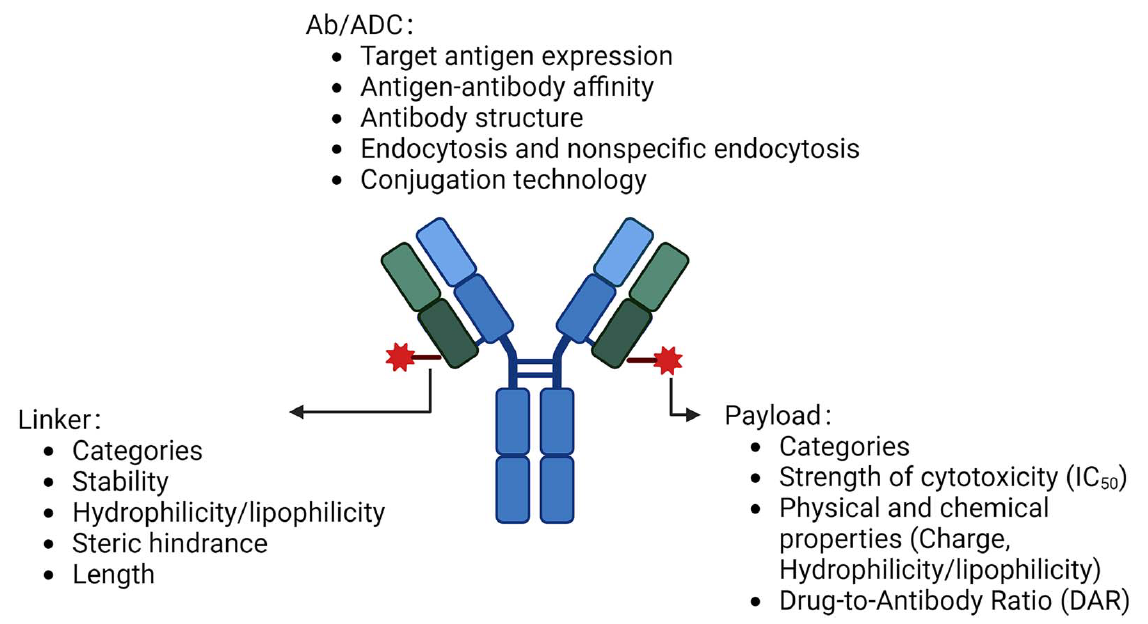
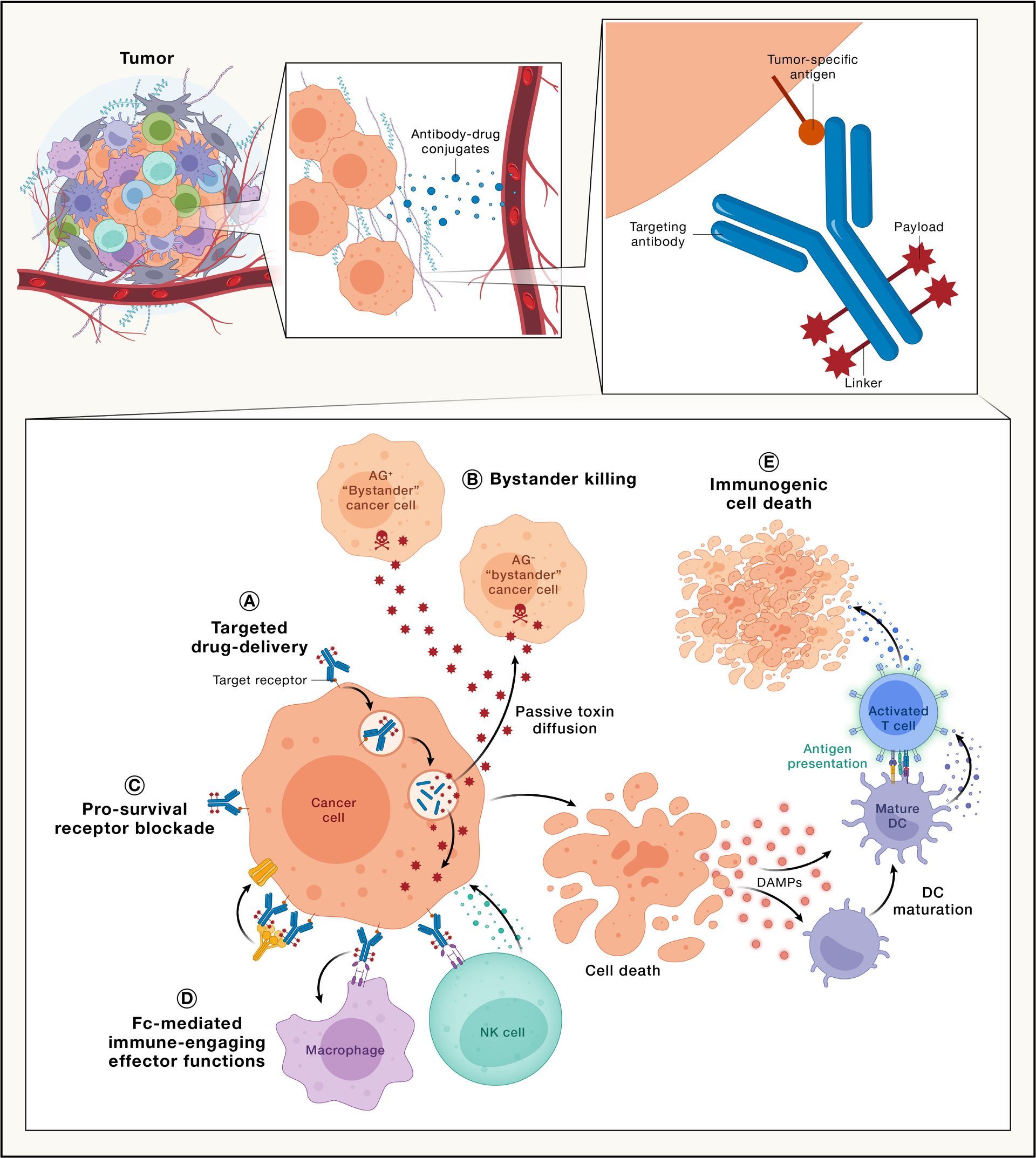
The Fc Review: Can better antibody engineering improve safety, not just efficacy? A recent review in Antibody Therapeutics examines how the molecular design of antibody-drug conjugates (ADCs) influences both nonclinical and clinical toxicities, highlighting that safety is determined by far more than the payload alone. Background: ADCs are often discussed in terms of target selection and payload potency, but their safety profile is shaped by the combined properties of the antibody, linker, payload, conjugation strategy, and target biology. This review examines data from marketed ADCs and explores how each component contributes to toxicity, providing a useful framework for designing safer next-generation therapeutics. The study highlights: ADC toxicity is influenced by the combined effects of target antigen expression, antibody structure, linker stability, payload properties, and conjugation technology rather than any single design feature. The Fc region can contribute to off-target toxicity through receptor-mediated uptake. The review discusses roles for Fcγ receptors, FcRn, and C-type lectin receptors in nonspecific internalization that may influence safety. Site-specific conjugation technologies can improve homogeneity, produce more consistent drug-to-antibody ratios (DAR), and enhance stability compared with earlier random conjugation approaches. Properties such as linker stability, payload hydrophobicity, charge, and DAR all influence biodistribution, payload release, and toxicity, underscoring the importance of considering these design variables together.
June 4, 2026
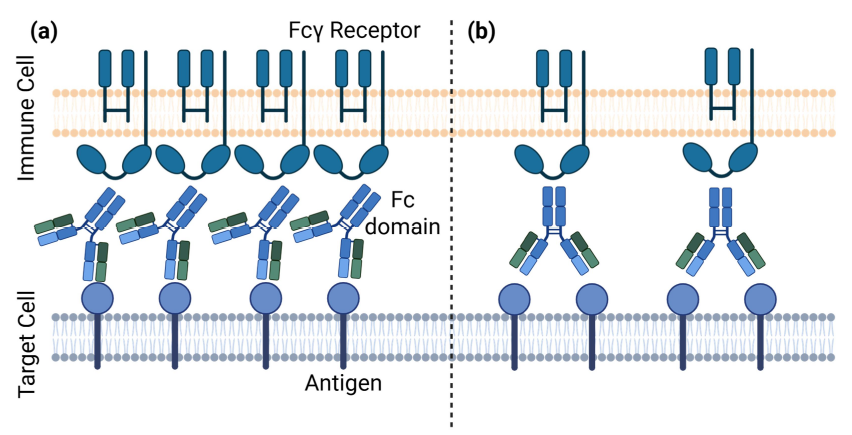
The Fc Review: When does antibody bivalency help, and when can it work against you? A recent mAbs study explores the impact of antibody bivalency on antigen occupancy and cell surface opsonization, revealing that the same property can be advantageous or disadvantageous depending on the intended mechanism of action (MoA). Background: Most therapeutic antibodies are bivalent, meaning they can bind two target antigens simultaneously. This avidity effect is often viewed as beneficial because it increases apparent binding strength and can improve target engagement. However, therapeutic success is not always driven by target occupancy alone. For mechanisms that rely on Fc-mediated effector function, the number of antibodies decorating the target cell surface may be just as important. The study highlights: Bivalent antibodies achieved higher antigen occupancy than comparable monovalent antibodies across a range of affinities and antigen densities. At the same time, bivalency reduced the total number of antibodies bound per cell because a single antibody could occupy two antigens simultaneously. The authors describe an "avidity barrier," where achieving equivalent levels of cell surface opsonization requires substantially higher concentrations of a bivalent antibody. The optimal balance between occupancy and opsonization depended on factors including antibody affinity, valency, and target antigen density.
May 28, 2026
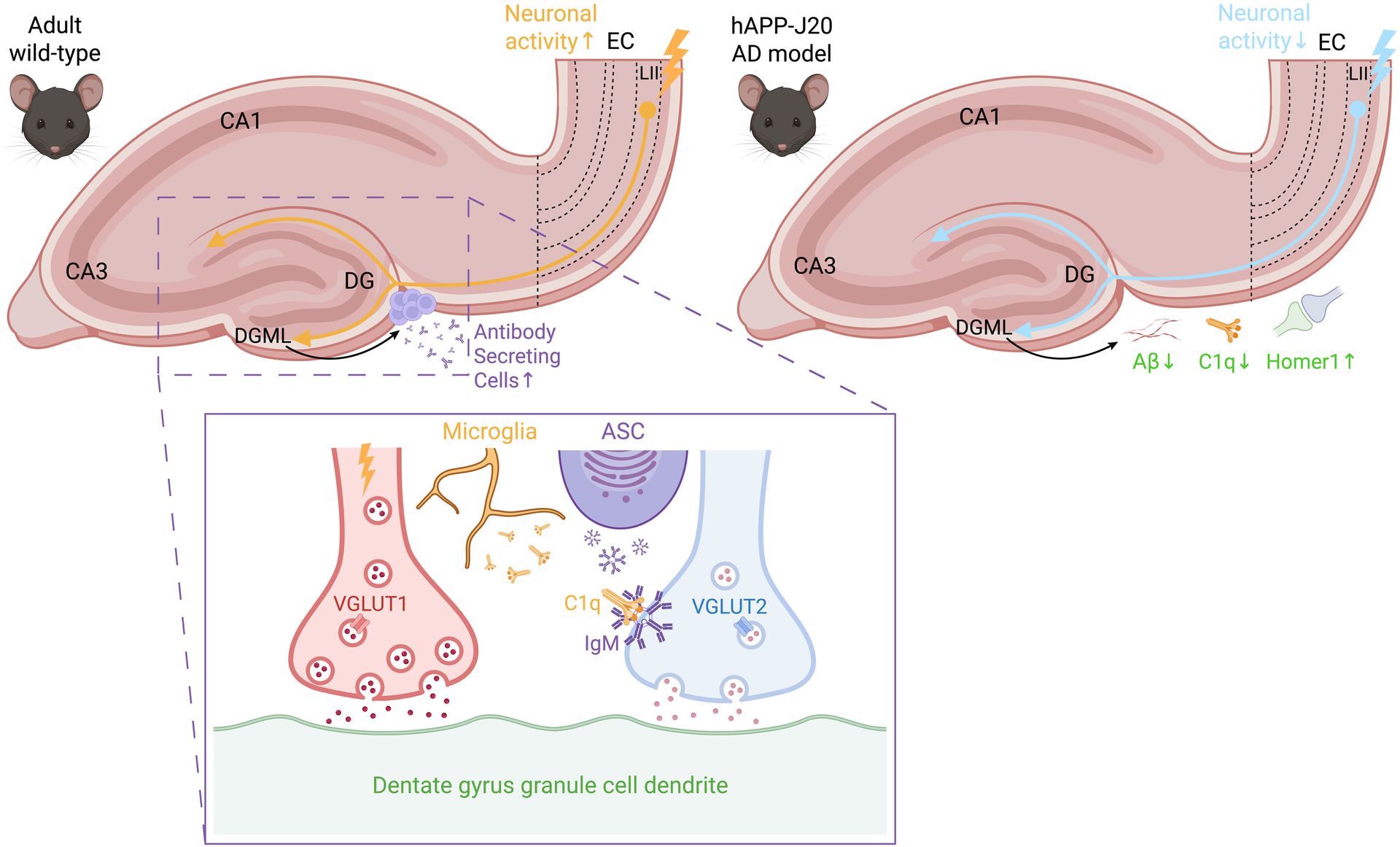
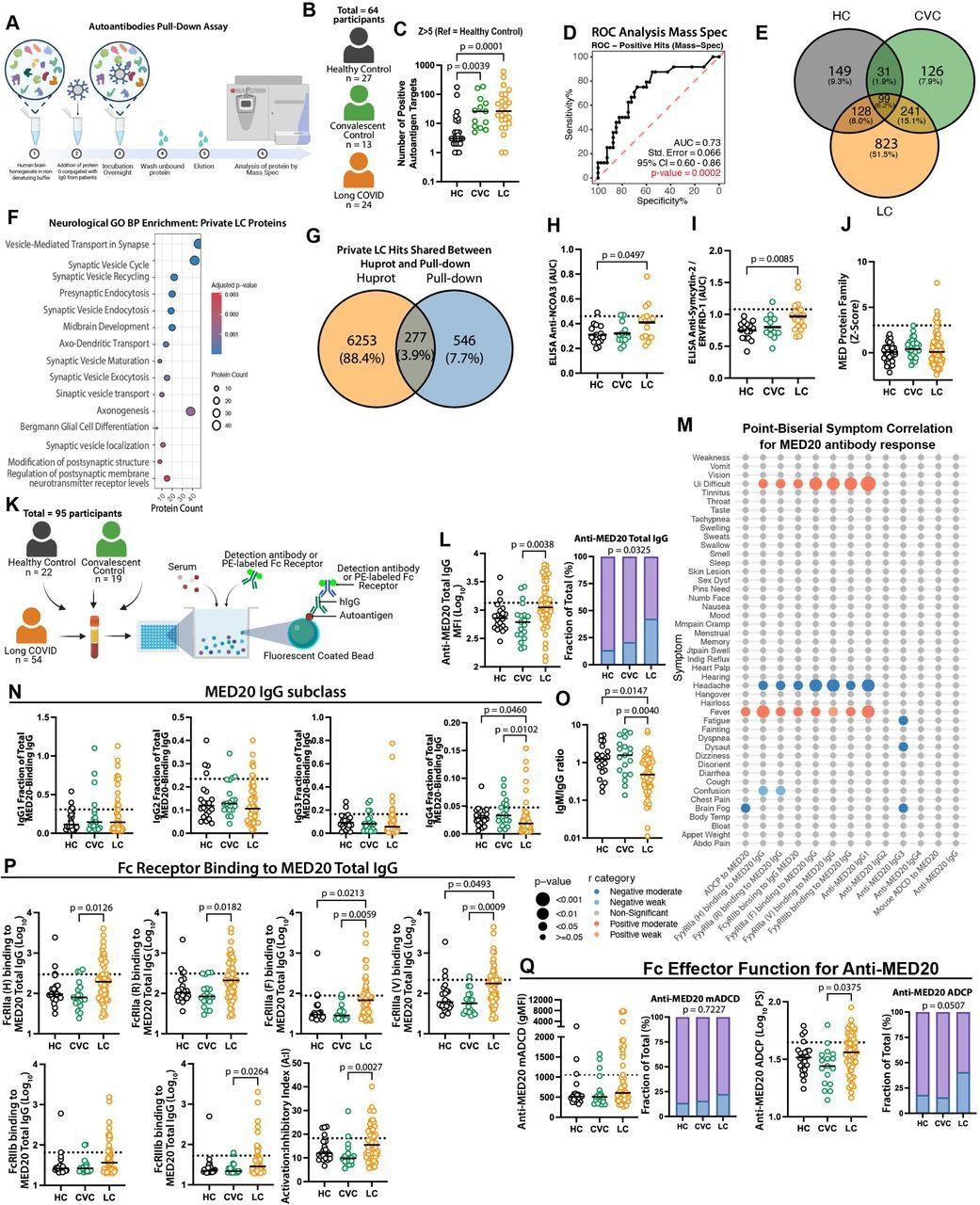
Abstract: Acute SARS-CoV-2 infection triggers the de novo production of diverse, functional autoantibodies (AABs) that remain elevated in Long COVID (LC), but their pathogenic role remains unclear. Using tissue-based immunofluorescence, ELISA, human protein array, and mass spectrometry assays, we identified a broad range of AAB targets among individuals with LC. Individuals with neurocognitive symptoms showed increased AABs against central and peripheral nervous system proteins. Purified IgG reacted with human locus coeruleus, thalamus, adrenal gland, thyroid, and cross-reacted with mouse sciatic nerve and meninges. CNS-reactive AABs correlated with several neurological symptoms. MED20-targeting IgG from patients with LC showed enhanced antibody-dependent phagocytosis. Passive transfer of IgG from individuals with LC into mice induced fatigue-like behavior, loss of balance/coordination, thermal hyperalgesia, small fiber nerve damage, and increased pain-related neuronal activity, recapitulating patients’ symptoms. These findings suggest that targeting AABs might offer therapeutic benefits for this LC subgroup. 
May 18, 2026
Type: Conference Dates: October 19th-21st, 2026 Location: Amsterdam, Netherlands
May 18, 2026
Type: Conference Dates: November 16th-18th, 2026 Location: Peabody, MA
May 18, 2026
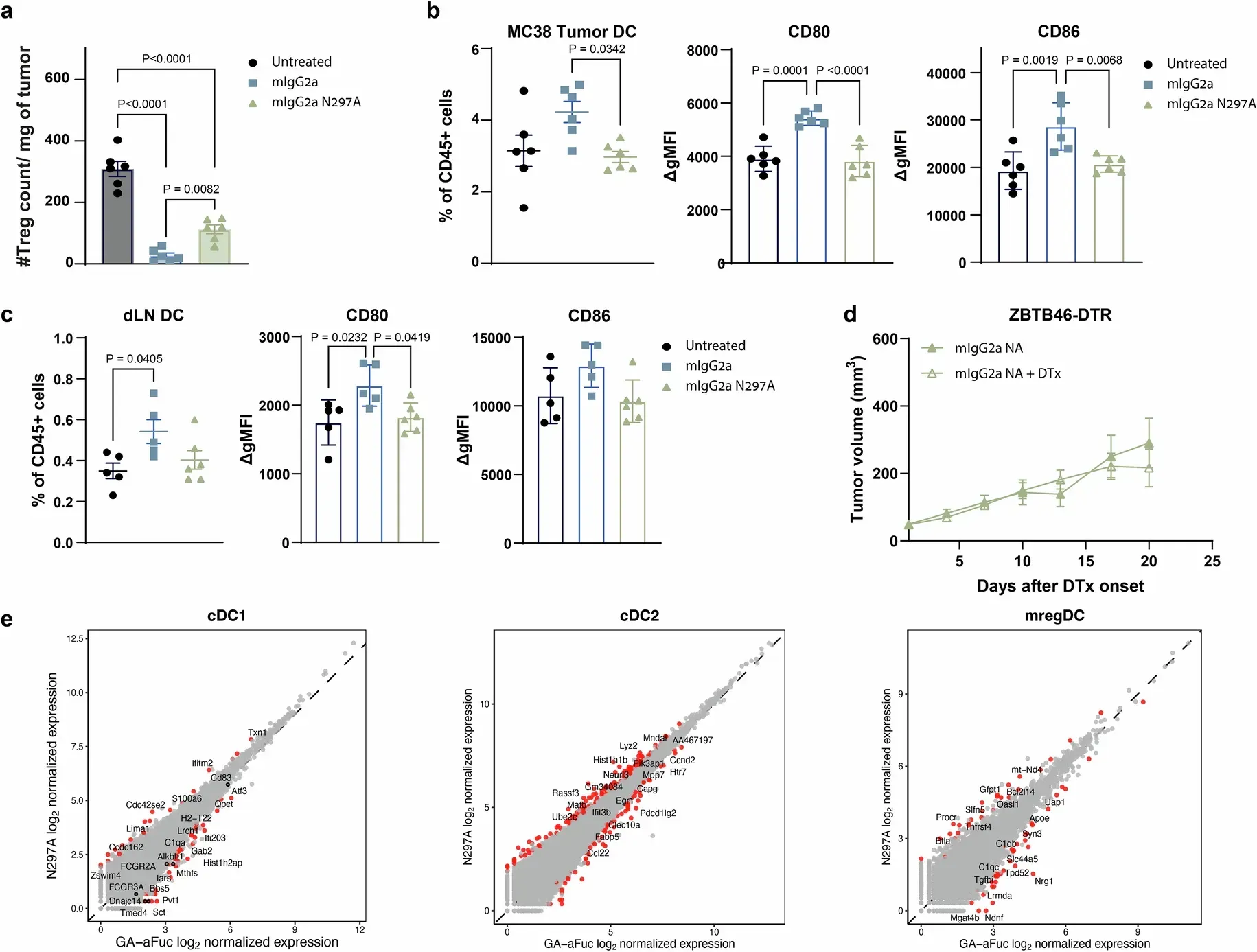
The Fc Review: How much does Fc design influence the next generation of ADCs? A recent Cell review explores the rapid evolution of antibody-drug conjugates (ADCs), highlighting how advances in payloads, linker technologies, and antibody engineering are reshaping the field across both hematologic and solid tumors. Background: ADCs were originally developed as targeted delivery vehicles for highly potent payloads. But as the field matures, it is becoming increasingly clear that ADC activity is shaped by far more than antigen targeting alone. Factors such as linker stability, payload permeability, tumor microenvironment, bystander killing, and Fc-mediated interactions can all influence therapeutic performance. The study highlights: Fc-mediated mechanisms such as ADCC, ADCP, and complement activation can contribute to ADC activity beyond payload delivery. Some next-generation ADCs are intentionally engineered to enhance Fc effector function, while others incorporate Fc-silencing strategies to minimize off-tumor interactions. Payload selection, linker chemistry, and drug-to-antibody ratio all influence efficacy, safety, and bystander activity. Tumor antigen expression alone is often insufficient to predict ADC behavior, highlighting the importance of functional characterization and biological context.
April 21, 2026
The Fc Review: Are we oversimplifying Fc glycosylation? A recent study in mAbs explores how glycan pairing within IgG antibodies shapes Fcγ receptor engagement and ADCC, highlighting an often-overlooked layer of Fc biology. Background: Fc glycosylation is a well-known modulator of antibody function, influencing Fcγ receptor binding and downstream effector activity. However, each IgG contains two Fc glycans, one on each heavy chain, that can pair symmetrically or asymmetrically. Most analytical approaches report glycan composition as an average, without capturing how these glycans are distributed across individual molecules. This study asks a key question. Does glycan pairing itself influence Fc function? The study highlights: Fc glycan pairing, not just overall composition, influences Fcγ receptor binding across multiple receptors and allotypes A single afucosylated glycan was sufficient to drive enhanced FcγRIIIa binding and ADCC, with limited additional benefit from full afucosylation Galactosylation and high-mannose structures showed receptor- and context-dependent effects on Fc engagement Functional outcomes cannot be fully inferred from bulk glycan profiles, as different pairing configurations can produce distinct biological behavior
March 10, 2026
The Fc Review: How do antibody structure and binding dynamics shape ADCC signaling? A recent study in The AAPS Journal explores how multiple antibody design features, including Fab affinity, hinge flexibility, Fc engagement, and antigen density, influence antibody-dependent cellular cytotoxicity (ADCC) signaling. Background: ADCC is a key mechanism of action for many therapeutic antibodies, yet the strength of this response depends on more than Fcγ receptor binding alone. Productive immune activation requires antibodies to bridge target cells and effector cells within the immune synapse, forming receptor crosslinks that trigger downstream signaling. Using a combination of computational modeling and experimental data, this study examines how structural properties of antibodies influence these crosslinking events and ultimately shape ADCC signaling outcomes. The study highlights: ADCC signaling is influenced by multiple antibody properties, including Fab affinity, hinge flexibility, Fc receptor engagement, and antigen expression levels. Antibody structure affects how efficiently Fc receptors and target antigens are crosslinked within the immune synapse. In some cases, moderate Fab affinity supported stronger signaling by favoring productive crosslinking configurations. Antibody valency and hinge flexibility also influenced signaling outcomes by altering the geometry of immune synapse interactions.
February 12, 2026
The Fc Review: How well do our preclinical models capture human Fc biology? A new Science Immunology study takes a deep look at Fcγ receptor and FcRn expression across humans, non-human primates, and mice, highlighting how species-specific differences shape Fc-mediated immune function. Background: Fc-dependent activity is influenced not only by antibody design, but also by where and how Fcγ receptors are expressed across immune cell types and tissues. While animal models remain central to #antibody development, differences in Fcγ receptor biology across species can complicate interpretation of Fc-driven mechanisms. The study highlights: Species-specific differences in Fcγ receptor expression patterns across immune cell subsets and tissues. Context-dependent regulation of Fcγ receptors by inflammatory cues, with expression shifting across cell types and environments. These differences influence how Fc-mediated functions are engaged and interpreted across experimental systems. Cross-species variation in FcγR and FcRn biology helps explain why Fc-dependent effects observed preclinically may not always translate cleanly to human settings. 
January 21, 2026
The Fc Review: How are antibody developers actually using Fc engineering today? A recent analysis of the IMGT/mAb-DB database takes a systematic look at engineered Fc variants across therapeutic antibodies and fusion proteins, offering a real-world snapshot of how Fc design choices are being deployed in the clinic. Background: Fc engineering is often discussed in terms of individual mutations or isolated use cases. But at an industry level, it’s less clear how frequently Fc variants are used, which functions are prioritized, and whether antibodies rely on single or multiple Fc modifications. By mining curated entries in IMGT/mAb-DB, this study steps back to examine Fc engineering trends across approved and clinical-stage molecules. The review highlights: Fc engineering is widespread across therapeutic antibodies and fusion proteins cataloged in IMGT/mAb-DB Effector silencing strategies are commonly employed, particularly in programs prioritizing safety and controlled immune engagement Many molecules incorporate multiple Fc variants, rather than a single engineered change Fc modifications are used across a range of mechanisms and formats, underscoring Fc’s role as an intentional design lever
More Posts →