
NextGen Biomed 2026
NextGen Biomed 2026
Type: Conference
Dates: March 23rd-25th, 2026
Location:
London, UK

Join world-class experts at our annual Proteins, Antibodies & ADCs program – uncover breakthrough strategies, pioneering technologies, and transformative innovations shaping the next generation of biotherapeutics. From cutting-edge protein and antibody engineering to advanced bioanalytics, real-world case studies, and game-changing upstream and downstream processing, this program delivers the insights driving tomorrow’s therapies today.
Workshop Details
Precision Engineering of Antibody-Based Therapies: From DR5-Targeting Bispecifics to CART-Directing Conjugates and ADC Optimization
Date: March 23rd, 2026
Time: 3pm GMT
Location: Conference Room 8, Albert
Chair: Andrew Buchanan, PhD, SVP, Head of Discovery, Stealth Biotech
Speaker 1: Victor Goldmacher, PhD, CSO, ImmuVia
Speaker 2: Shashi Jatiani, PhD, Dir. Strategic Partnerships, SeromYx Systems
Summary:
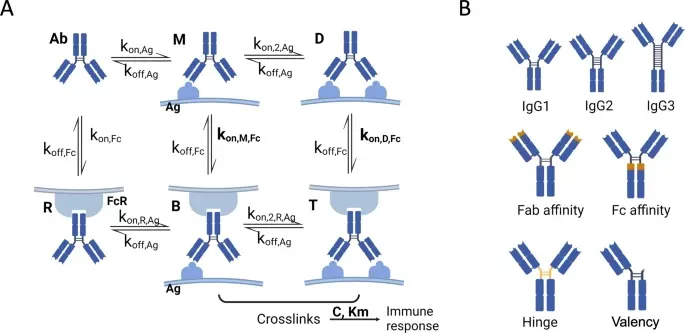
This workshop explores the sophisticated interplay between antibody engineering, receptor clustering, and Fc-mediated effector functions. As the industry moves beyond simple monoclonal antibodies, understanding how to control secondary interactions—whether through bispecific architectures or programmable synthetic motifs—is critical for enhancing tumor selectivity and de-risking clinical development.
Session 1: Targeting Death Receptor 5 with Mono- and Bispecific Antibodies: Fc Receptor–Dependent Effects on Tumor and Normal Cells.
Speaker: Victor Goldmacher, Ph.D.
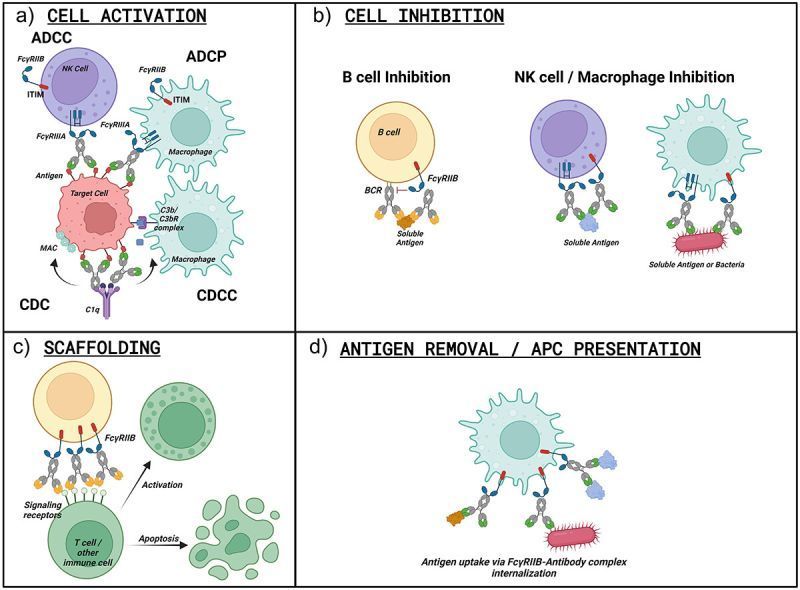
- Activation of death receptor 5 (DR5) requires receptor clustering, which monospecific anti-DR5 IgG antibodies achieve only through secondary crosslinking mediated by FcγRIIB, a receptor expressed on B cells and other immune cells. This FcγRIIB dependence can produce apparent anti-tumor activity in xenograft models that may not translate clinically and may also raise concerns about off-tumor toxicity due to DR5 clustering on normal tissues. We developed IMV-M, a MUC16×DR5 bispecific apoptosis trigger that clusters DR5 directly on tumor cells through MUC16 binding, eliminating the need for FcγRIIB-mediated crosslinking. IMV-M demonstrated strong, MUC16-selective anti-tumor activity in vitro and in vivo without FcγRIIB interaction and showed no toxicity in a pilot non-human primate study. We will present our data and discuss the role of FcγRIIB-dependent crosslinking in the activity and interpretation of DR5-targeting antibodies and suggest a strategy to avoid this dependency; implications for FcγRIIB interactions of ADCs will also be discussed.
Session 2: Deep Fc Profiling of HER2-Targeting Antibodies: Derisking Linker Strategies for Synthetic Motif Conjugates and Uncovering Mechanistic Insights for Approved ADCs
Speaker: Shashi Jatiani, Ph.D.
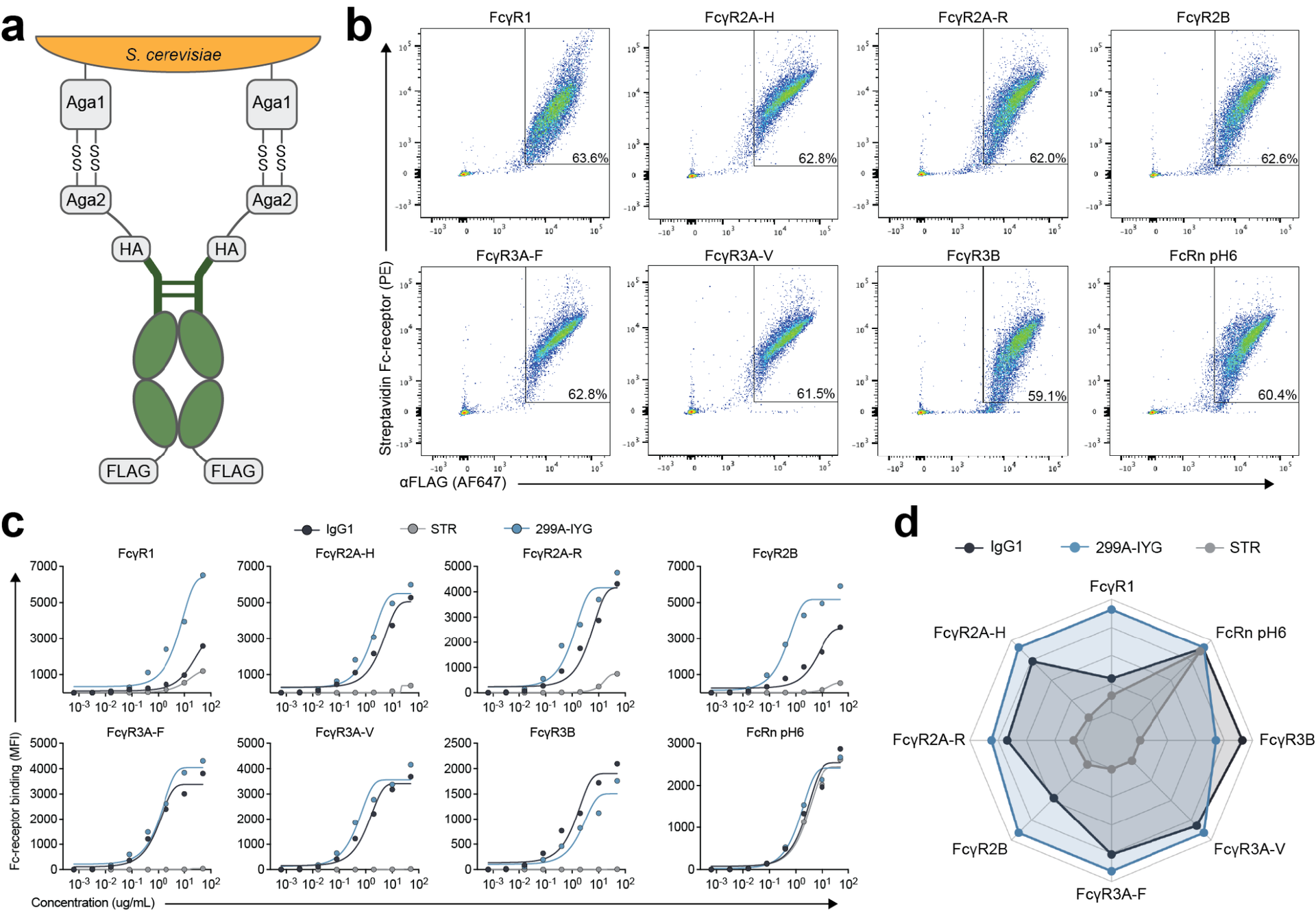
- The development of universal CAR-T systems relies on the precise orchestration of conjugated monoclonal antibodies acting as programmable adapters where the interplay between the synthetic motif and the engineered Fc region is critical for therapeutic control. This session explores the choice synthetic motif conjugation strategy to ensure the antibody acts as a precise bridge without triggering unintended biological interference, specifically focusing on decoupling endogenous immune activation from CAR-T engagement. By tuning Fc-effector function, detrimental immune triggers can be reduced or silenced to prevent CART cell fratricide and CRS, ensuring the primary therapeutic action remains driven by the CAR-T cells while still leveraging beneficial Fc-mediated efficacy. Complementing this, the session presents a separate set of data involving the deep Fc-effector profiling of approved HER2-targeting antibodies. This comprehensive comparative analysis of trastuzumab-based ADCs reveals how different linker-payload combinations influence FcγR and C1q binding dynamics, providing a high-resolution map of how established ADC architectures impact innate immune-modulating potential and safety de-risking.