
Innate transcriptional effects by adjuvants on the magnitude, quality, and durability of HIV envelope responses in NHPs

November 7, 2017

Journal Abstract:

Adjuvants have a critical role for improving vaccine efficacy against many pathogens, including HIV. Here, using transcriptional RNA profiling and systems serology, we assessed how distinct innate pathways altered HIV-specific antibody responses in nonhuman primates (NHPs) using 8 clinically based adjuvants. NHPs were immunized with a glycoprotein 140 HIV envelope protein (Env) and insoluble aluminum salts (alum), MF59, or adjuvant nanoemulsion (ANE) coformulated with or without Toll-like receptor 4 (TLR4) and 7 agonists. These were compared with Env administered with polyinosinic-polycytidylic acid:poly-L-lysine, carboxymethylcellulose (pIC:LC) or immune-stimulating complexes. Addition of the TLR4 agonist to alum enhanced upregulation of a set of inflammatory genes, whereas the TLR7 agonist suppressed expression of alum-responsive inflammatory genes and enhanced upregulation of antiviral and interferon (IFN) genes. Moreover, coformulation of the TLR4 or 7 agonists with alum boosted Env-binding titers approximately threefold to 10-fold compared with alum alone, but remarkably did not alter gene expression or enhance antibody titers when formulated with ANE. The hierarchy of adjuvant potency was established after the second of 4 immunizations. In terms of antibody durability, antibody titers decreased ∼10-fold after the final immunization and then remained stable after 65 weeks for all adjuvants. Last, Env-specific Fc-domain glycan structures and a series of antibody effector functions were assessed by systems serology. Antiviral/IFN gene signatures correlated with Fc-receptor binding across all adjuvant groups. This study defines the potency and durability of 8 different clinically based adjuvants in NHPs and shows how specific innate pathways can alter qualitative aspects of Env antibody function.


Authors:

Francica JR, Zak DE, Linde C, et al. Innate transcriptional effects by adjuvants on the magnitude, quality, and durability of HIV envelope responses in NHPs. Blood Adv. 2017;1(25):2329-2342.


Journal:

Blood Advances
Access Full Publication
August 13, 2026
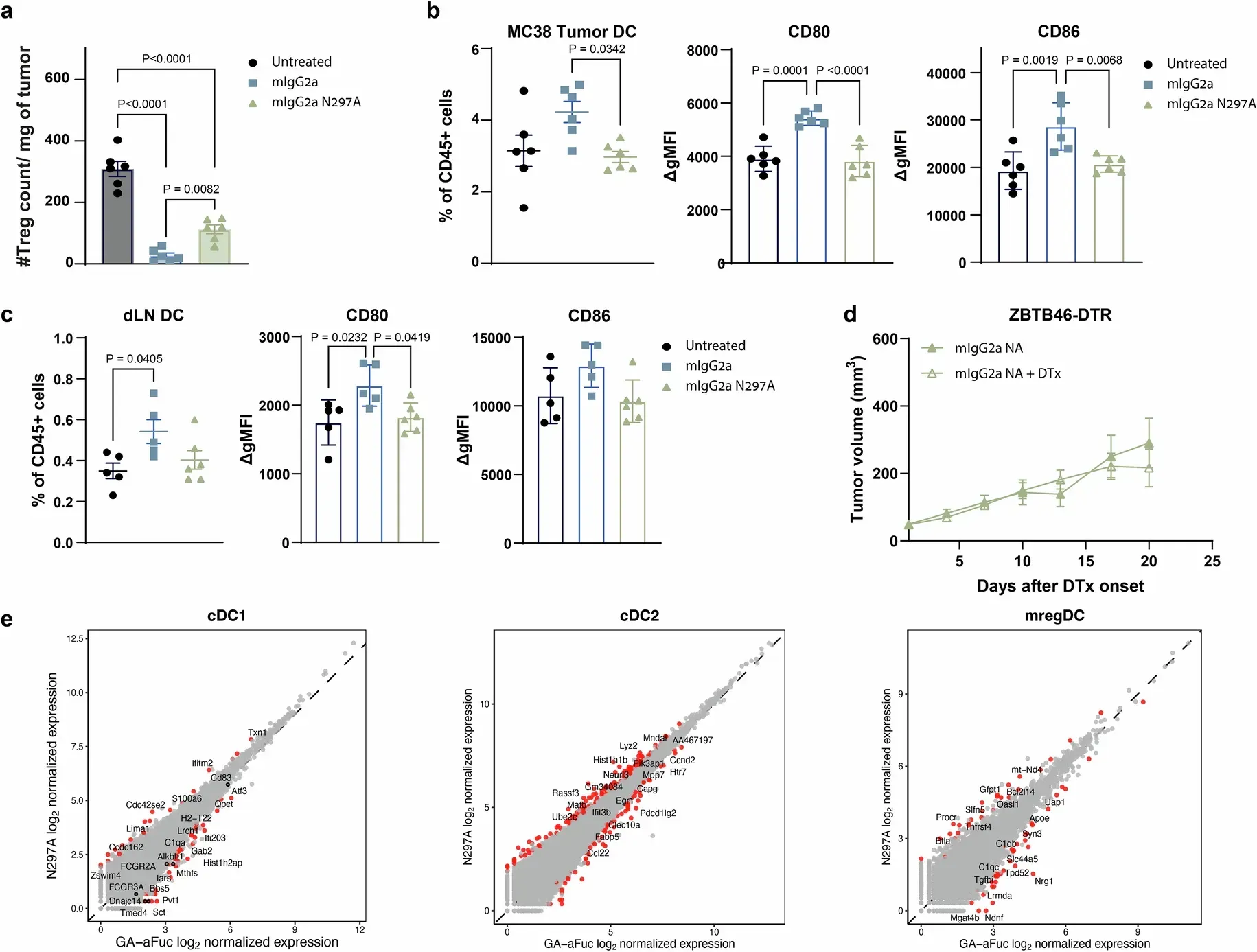
The Fc Review: When you engineer the Fc to enhance one mechanism, what else changes? A recent Nature Cancer study takes a closer look at that question using an agonistic anti-GITR antibody, showing how Fc optimization can influence not only FcγR engagement and Treg depletion, but other immune pathways contributing to antitumor activity. Background: GITR is a stimulatory immune checkpoint receptor being explored as a target for cancer immunotherapy. While agonistic anti-GITR antibodies have shown promise preclinically, clinical efficacy has been limited. Because FcγR engagement can contribute to the activity of these antibodies, the authors used Fc protein engineering and glycoengineering to alter interactions with different human FcγRs and examine how those changes affected antitumor activity. The study highlights: Fc variants with enhanced engagement of activating FcγRIIa or FcγRIIIa increased antitumor activity, while preferentially enhancing engagement of inhibitory FcγRIIb did not improve tumor control. Combining G236A with reduced fucosylation enhanced engagement of both activating FcγRIIa and FcγRIIIa, without enhanced binding to FcγRIIb. This combined variant showed greater antitumor activity than variants enhancing either activating receptor individually in the tested model. Fc-active variants depleted Tregs within the tumor. However, the optimized variant and IgG1 produced similar Treg depletion despite differences in therapeutic activity, pointing to an additional FcγR-mediated mechanism. The Fc-optimized antibody also increased dendritic cell activation, and the authors found that conventional DCs, particularly cDC1s, were required for the Fc-mediated antitumor effect in their models. Further experiments connected this activity to CD4 T cell–DC engagement, with downstream CD4 T cell cytotoxicity and enhanced CD8 T cell activity
July 30, 2026
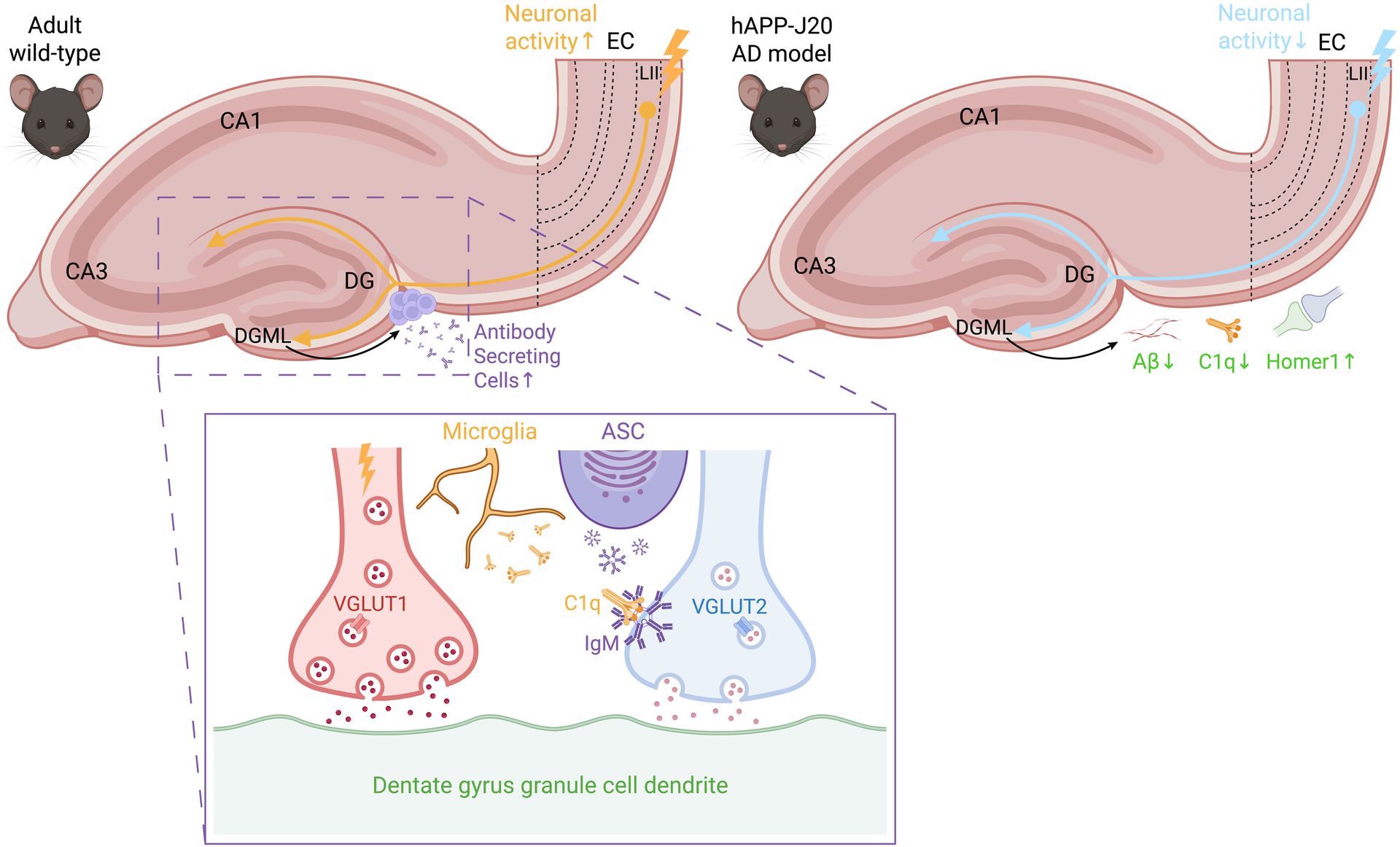
The Fc Review: Stepping a little outside therapeutic antibody and vaccine development this week to highlight a fascinating piece of fundamental antibody biology. A recent Science study uncovers an unexpected role for antibody-mediated complement activity in the adult mouse brain, showing that locally produced IgM and C1q work together to drive activity-dependent synapse elimination.  While this work is still early and was performed in mice, it offers an interesting look at how #antibody effector mechanisms may extend beyond the roles we typically think about. Background: Antibodies are typically viewed through the lens of infection, vaccination, or therapeutic development. Their effector functions, including complement activation, are well established as key mechanisms for eliminating pathogens and diseased cells. This study asks whether antibody-mediated complement activity also contributes to normal brain physiology. Using mouse models, the authors investigated how neuronal activity influences complement-mediated synapse remodeling and whether adaptive immune components participate in this process. The study highlights: Increased neuronal activity triggered localized C1q deposition and complement-dependent synapse loss in the adult mouse hippocampus. Activity-dependent recruitment of antibody-secreting B-lineage cells led to local production of antigen-specific IgM, which contributed to C1q deposition at synapses. Reducing neuronal hyperactivity in a mouse model of Alzheimer's disease decreased C1q deposition and partially restored synaptic density. The findings identify a previously unrecognized interaction between adaptive immunity, complement biology, and neuronal circuit remodeling in the adult brain.
June 26, 2026
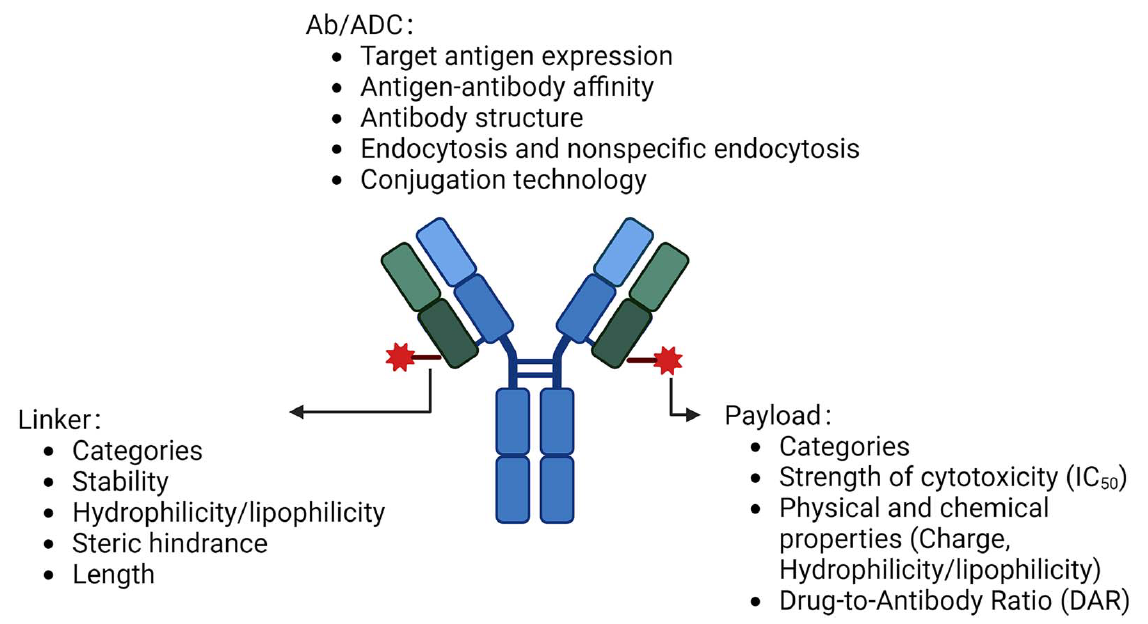
The Fc Review: Can better antibody engineering improve safety, not just efficacy? A recent review in Antibody Therapeutics examines how the molecular design of antibody-drug conjugates (ADCs) influences both nonclinical and clinical toxicities, highlighting that safety is determined by far more than the payload alone. Background: ADCs are often discussed in terms of target selection and payload potency, but their safety profile is shaped by the combined properties of the antibody, linker, payload, conjugation strategy, and target biology. This review examines data from marketed ADCs and explores how each component contributes to toxicity, providing a useful framework for designing safer next-generation therapeutics. The study highlights: ADC toxicity is influenced by the combined effects of target antigen expression, antibody structure, linker stability, payload properties, and conjugation technology rather than any single design feature. The Fc region can contribute to off-target toxicity through receptor-mediated uptake. The review discusses roles for Fcγ receptors, FcRn, and C-type lectin receptors in nonspecific internalization that may influence safety. Site-specific conjugation technologies can improve homogeneity, produce more consistent drug-to-antibody ratios (DAR), and enhance stability compared with earlier random conjugation approaches. Properties such as linker stability, payload hydrophobicity, charge, and DAR all influence biodistribution, payload release, and toxicity, underscoring the importance of considering these design variables together.
June 4, 2026
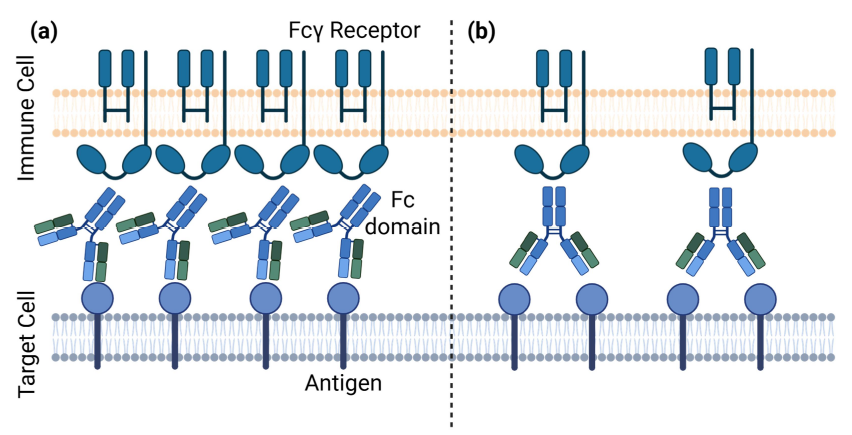
The Fc Review: When does antibody bivalency help, and when can it work against you? A recent mAbs study explores the impact of antibody bivalency on antigen occupancy and cell surface opsonization, revealing that the same property can be advantageous or disadvantageous depending on the intended mechanism of action (MoA). Background: Most therapeutic antibodies are bivalent, meaning they can bind two target antigens simultaneously. This avidity effect is often viewed as beneficial because it increases apparent binding strength and can improve target engagement. However, therapeutic success is not always driven by target occupancy alone. For mechanisms that rely on Fc-mediated effector function, the number of antibodies decorating the target cell surface may be just as important. The study highlights: Bivalent antibodies achieved higher antigen occupancy than comparable monovalent antibodies across a range of affinities and antigen densities. At the same time, bivalency reduced the total number of antibodies bound per cell because a single antibody could occupy two antigens simultaneously. The authors describe an "avidity barrier," where achieving equivalent levels of cell surface opsonization requires substantially higher concentrations of a bivalent antibody. The optimal balance between occupancy and opsonization depended on factors including antibody affinity, valency, and target antigen density.
June 1, 2026
Type: Meeting Dates: August 26th -27th, 2026 Location: Arlington, VA
May 29, 2026
Type: Symposium Dates: September 13th-16th, 2026 Location: Atlanta, GA
May 28, 2026
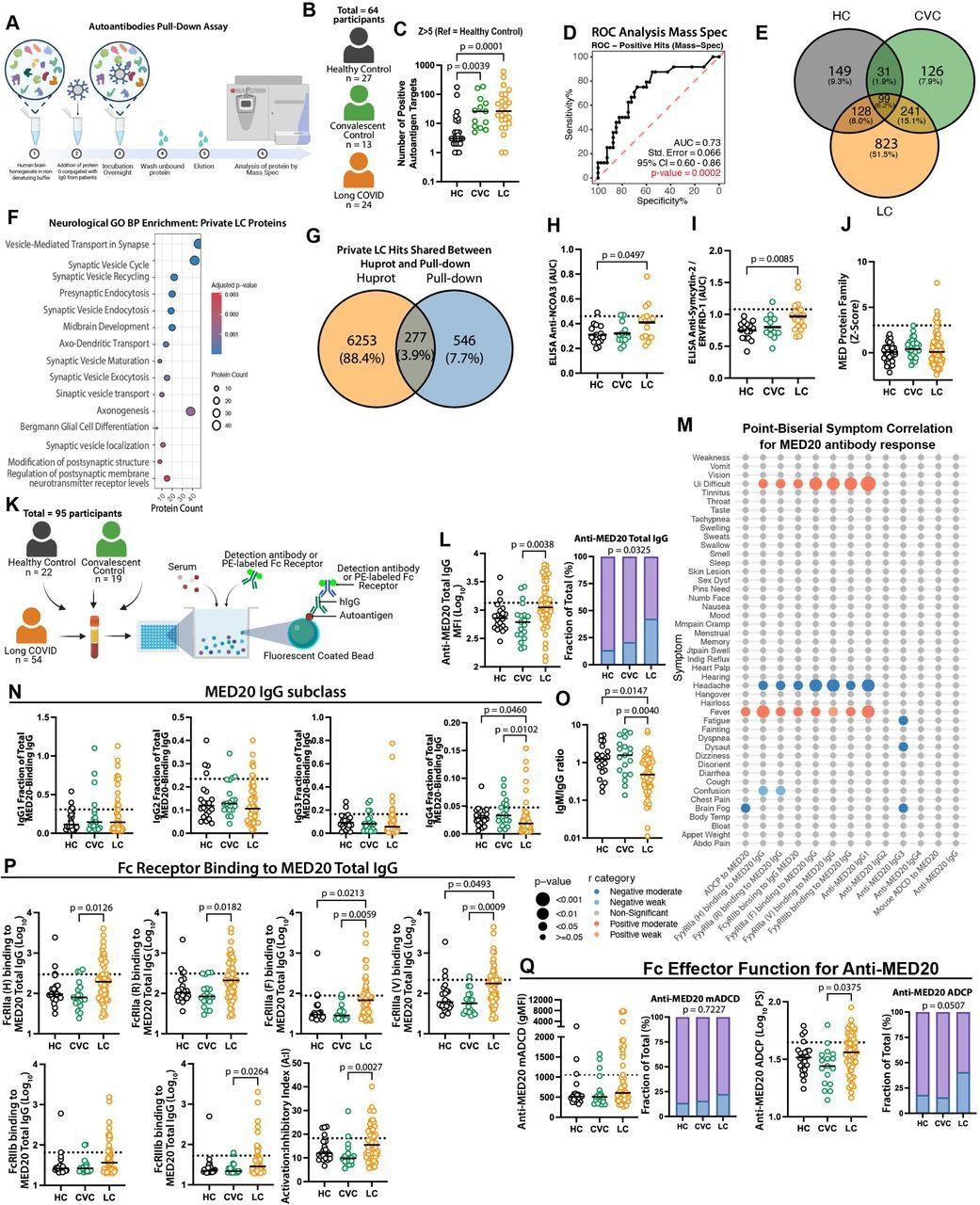
Abstract: Acute SARS-CoV-2 infection triggers the de novo production of diverse, functional autoantibodies (AABs) that remain elevated in Long COVID (LC), but their pathogenic role remains unclear. Using tissue-based immunofluorescence, ELISA, human protein array, and mass spectrometry assays, we identified a broad range of AAB targets among individuals with LC. Individuals with neurocognitive symptoms showed increased AABs against central and peripheral nervous system proteins. Purified IgG reacted with human locus coeruleus, thalamus, adrenal gland, thyroid, and cross-reacted with mouse sciatic nerve and meninges. CNS-reactive AABs correlated with several neurological symptoms. MED20-targeting IgG from patients with LC showed enhanced antibody-dependent phagocytosis. Passive transfer of IgG from individuals with LC into mice induced fatigue-like behavior, loss of balance/coordination, thermal hyperalgesia, small fiber nerve damage, and increased pain-related neuronal activity, recapitulating patients’ symptoms. These findings suggest that targeting AABs might offer therapeutic benefits for this LC subgroup. 
May 27, 2026
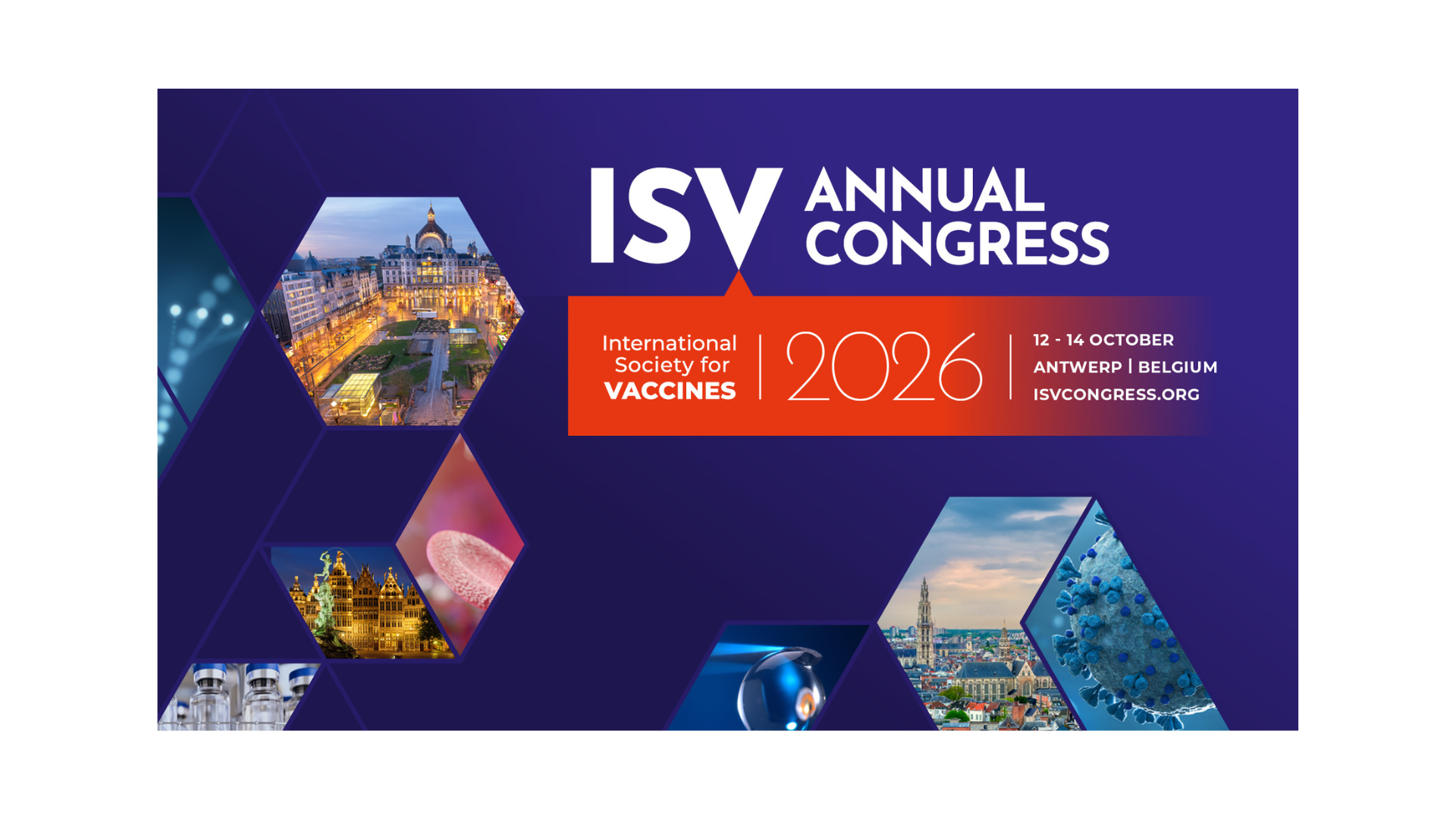
Type: Conference Dates: October 12th-14th, 2026 Location: Antwerp, Belgium
May 18, 2026
Type: Conference Dates: October 19th-21st, 2026 Location: Amsterdam, Netherlands
May 18, 2026
Type: Conference Dates: November 16th-18th, 2026 Location: Peabody, MA
More Posts →